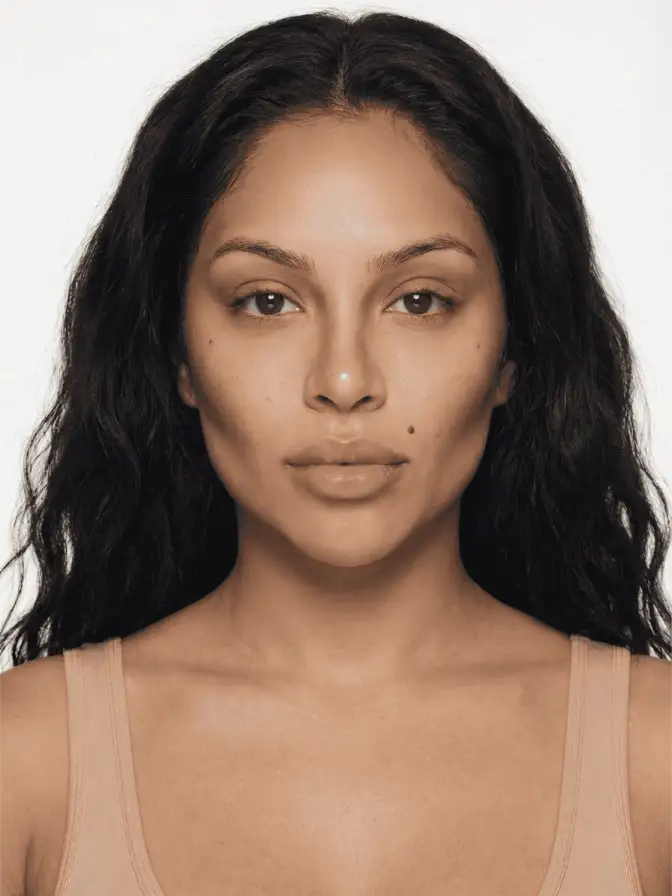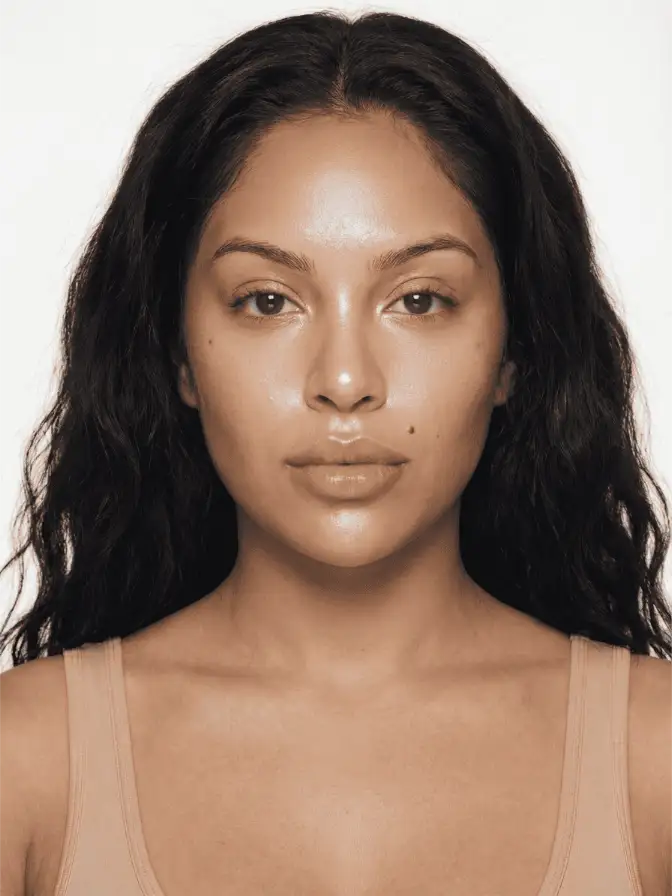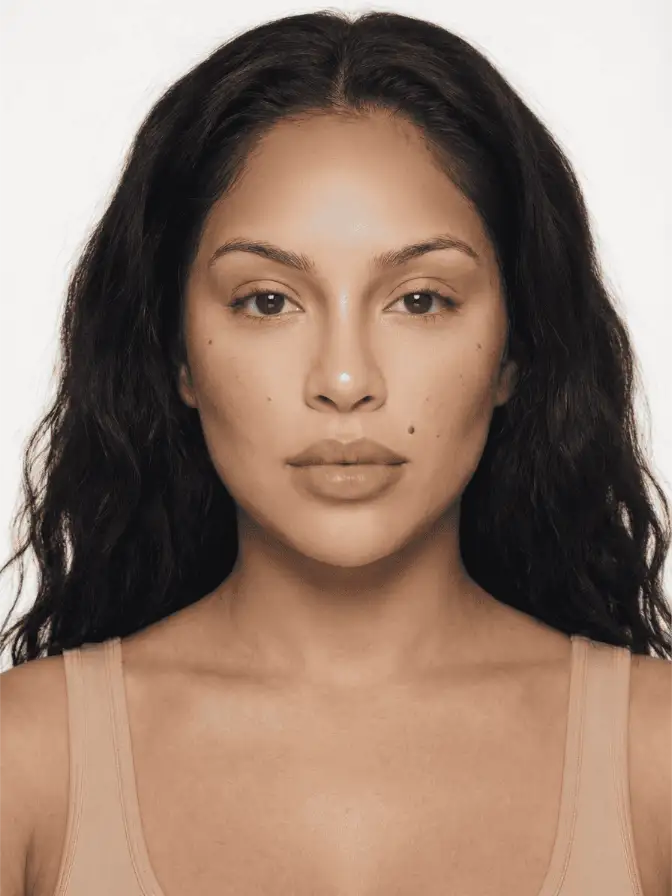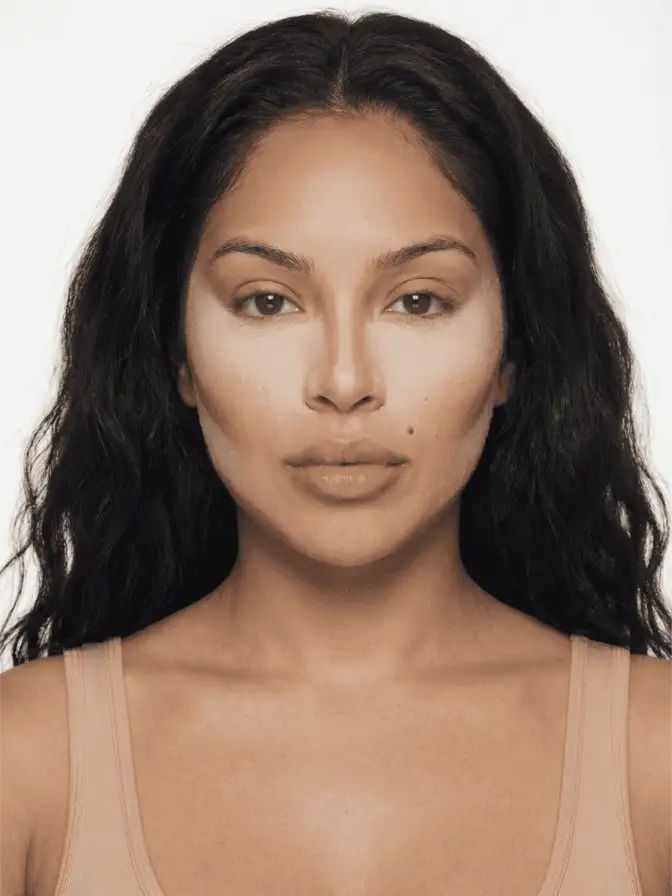
Application Techniques
Tantouring
Using self-tanner to semi-permanently contour the face.
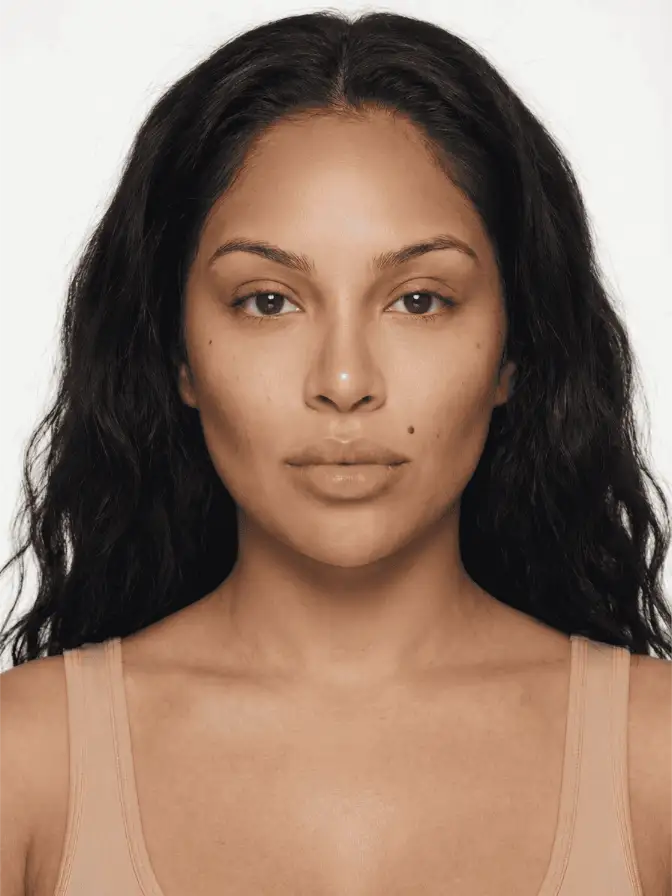
Tantouring is a modern, semi-permanent makeup technique that uses self-tanner to strategically sculpt and define the face's natural bone structure. By replacing traditional daily contour with a longer-lasting tanning product, this method delivers a low-maintenance, naturally chiseled appearance that lasts for several days. It is ideal for vacation-goers, makeup minimalists, or anyone seeking a built-in, sun-kissed shadow without the need for daily application.
To create tantouring, start by thoroughly cleansing and exfoliating the skin to ensure a smooth, even base. Using a dense angled brush, strategically apply facial self-tanner to the cheekbones, forehead, jawline, and nose. Immediately diffuse the edges with a damp sponge, let the formula develop, and rinse to reveal a semi-permanent, natural-looking contour.
The Kit
- Gentle Facial Exfoliator
- Facial Self-Tanner
- Makeup Mixing Palette
- Dense Angled Contour Brush
- Damp Makeup Sponge
- Small Fluffy Eyeshadow Brush
How to Create Tantouring
-
Prep the Canvas
Cleanse and gently exfoliate the face to remove dead skin cells, ensuring a smooth surface so the tanner does not cling to dry patches.
-
Map the Contours
Dispense a facial self-tanner onto a palette and use a dense angled contour brush to stamp it under the cheekbones, across the upper forehead, and along the jawline.
-
Blend the Edges
Quickly press over the applied areas with a damp makeup sponge to diffuse any harsh lines and create a seamless fade into the natural skin.
-
Define the Nose
Take a small fluffy eyeshadow brush and lightly sweep a tiny amount of residual tanner down the sides and under the tip of the nose.
-
Allow to Develop
Let the self-tanner sit undisturbed for the product's recommended development time before rinsing the face with lukewarm water to reveal a natural, semi-permanent shadow.
Pro Tips
- Always choose a self-tanning formula specifically designed for the face, as body tanners can be too heavy, highly comedogenic, or overly pigmented for delicate facial skin.
- Apply a light layer of un-tinted moisturizer to drier areas, such as around the nostrils, eyebrows, and hairline, before tantouring to prevent the active ingredients from clinging and appearing unnaturally dark.
- Start with a gradual tanning lotion or a light-to-medium mousse for your first attempt; you can always build up the intensity the next day, whereas fixing an overly dark contour is incredibly difficult.
Common Questions
What is tantouring?
What products do I need for tantouring?
Is tantouring good for beginners?
How long does tantouring last?
You've Got This
Ready to Master Tantouring?
See exactly how this look appears on your face before picking up a brush. slaye's AI shows you in seconds.
Try on slaye