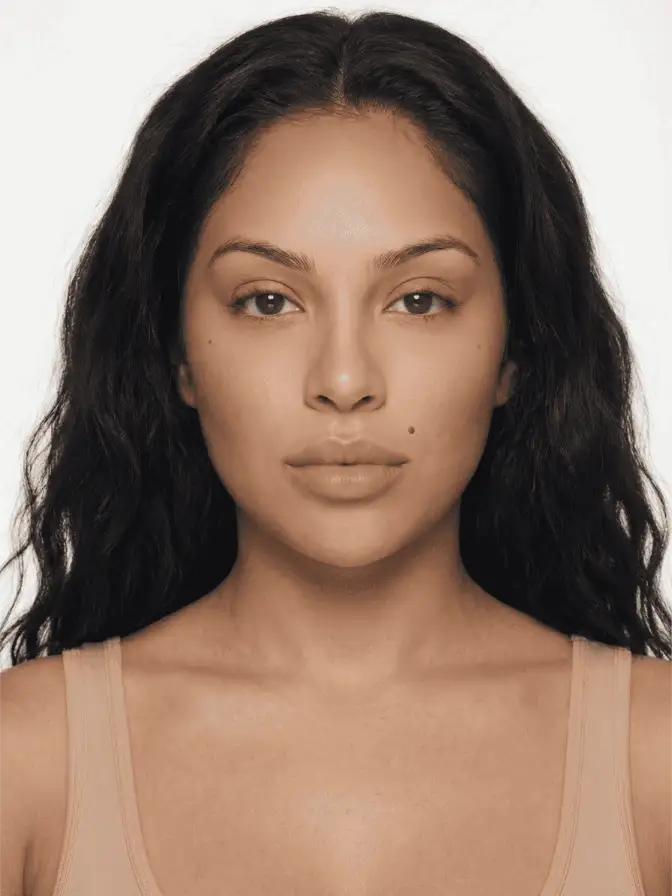
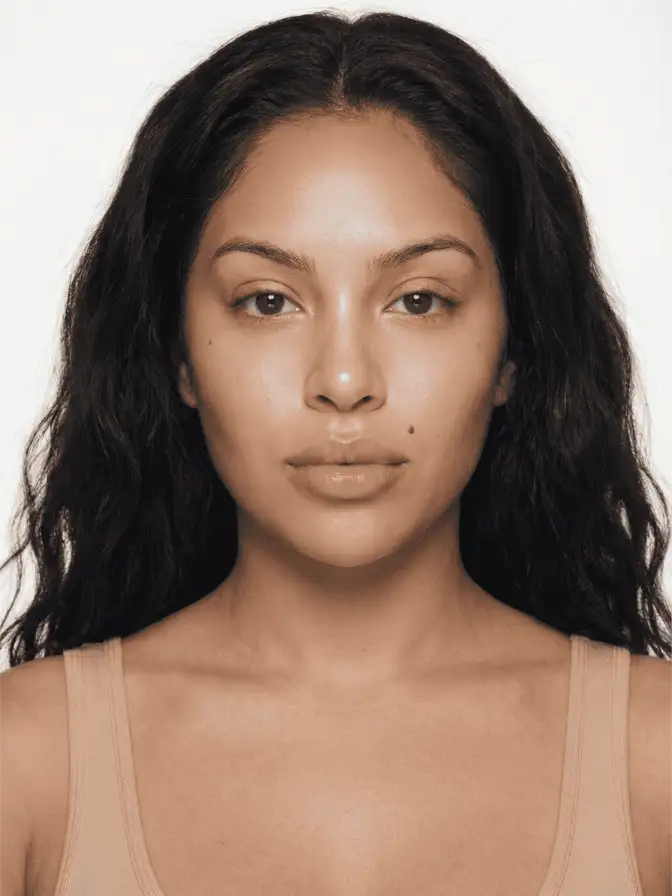
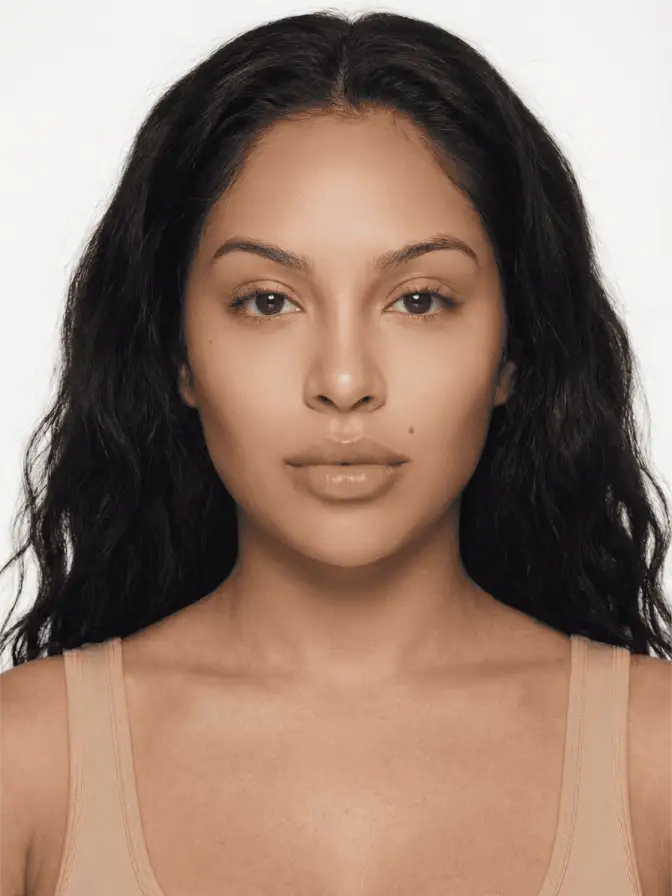
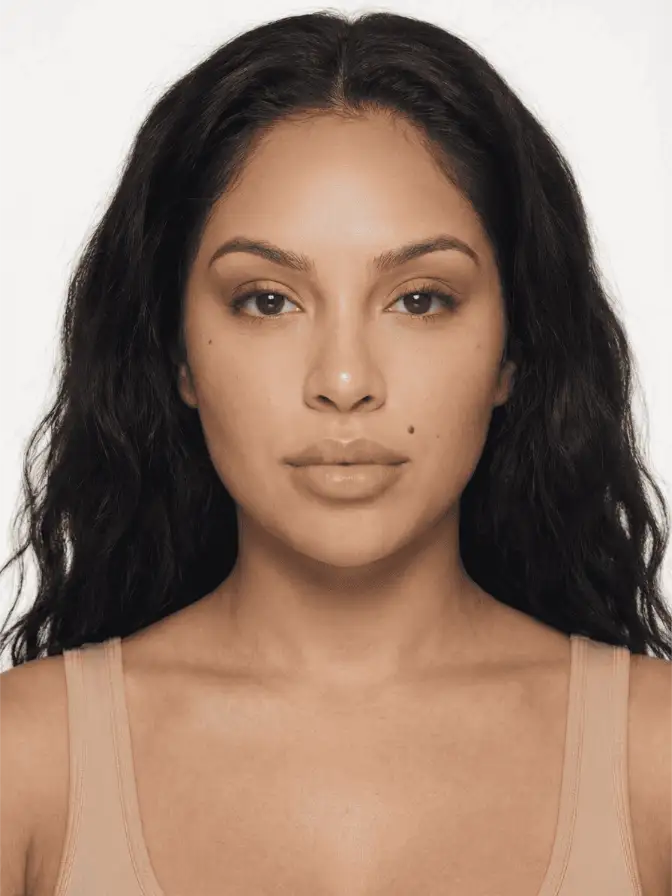
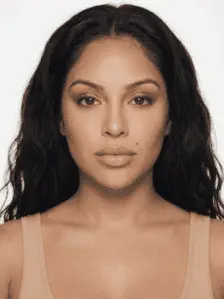
Velvet matte: the modern matte finish that doesn't flatten skin
Old matte powder killed dimension. The new velvet matte uses ultra-fine silica and light-scattering pigments to keep skin soft-focused without going flat.
In 2008, the matte finish meant a Rimmel Stay Matte compact patted heavily over a Maybelline Dream Matte Mousse base, and the result photographed like a colour swatch. Skin lost the soft turn of light at the cheekbone that makes a face read as three-dimensional. You could see the difference between a flash photo from 2008 and one from 2014, when dewy crept back in: the 2008 face was a flat field of beige.
The matte trend coming back this season is not that. Velvet matte (sometimes labelled blurred matte, soft-focus matte, or velvet skin) controls oil without killing dimension, and the chemistry behind it is more interesting than the marketing suggests.
The refractive-index problem
Matting agents work by scattering incoming light. A glossy surface reflects most of it in one direction, the specular angle, which is why a wet forehead photographs as a hotspot. A matte surface diffuses that light in a range of directions, so no single angle hogs the reflection. The Chemists Corner forum on cosmetic chemistry walks through the basic mechanism: larger particles increase surface roughness, and the refractive index of the matting agent has to differ enough from the binder (oil, silicone, water) to make the scattering efficient.
Traditional matte powders used talc or large amorphous silica. Both work, but their refractive index sits so far from skin’s own that the diffusion looks unnatural. You get matte, and you get visible dullness, because nothing is reflecting back. According to a recent paper on organically modified silicas in Sustainable Polymer & Energy, the new generation of matting agents addresses this by combining particle-size engineering with surface modification that lets a small fraction of light pass through cleanly.
The cosmetics-side translation is what CDF Supplies sells as silica microspheres: hollow, micronised silica beads that sit on skin like a soft-focus filter. They absorb sebum into their porous structure (so the oil is physically held away from the surface) while letting enough light through to keep the skin’s own undertone visible. That is the technical core of velvet matte.
What the pigment layer does
The other half of the trick is what the powder is mixed with. NARS Light Reflecting Pressed Setting Powder, which started this category in earnest, is built on micronised silica plus a small percentage of pearlescent pigments loaded with what the brand calls “light-scattering prisms.” Charlotte Tilbury Airbrush Flawless Finish does something similar with a slightly higher pearl load. Hourglass Veil Translucent Setting Powder leans more silica, less pearl. The Chanel Poudre Universelle Libre, a much older product, is essentially the original of the category and still works.
The pearl content matters because of how skin reads on camera. Pure matte without any reflective component reads as flat at any focal length over 50mm, and looks aged on people over forty. A 2 to 4 percent pearl load is invisible to the eye in person but reads as a soft halo on camera, which is why velvet matte photographs better than old matte even though they feel similar in the mirror.
If you have ever used the airbrush technique and wondered why it looked smoother than your handheld powder application, this is the answer: the airbrush deposits an even, micrometre-thin layer that lets the pigment layer’s optical work happen uniformly. Hand-applied powder tends to clump in pores and creases, which kills the diffusion.
Building the finish in three steps
The order matters more than the products. Skip the order and you get the 2008 effect.
-
Treat first, mattify second. A hydrating serum (any niacinamide-glycerin formula will do, The Ordinary Niacinamide 10% works for the price) gives the powder somewhere to sit that isn’t bare skin. On bare skin, silica reads as chalk.
-
Use a fluid foundation, not a matte stick. Cream-to-powder stick foundations (Bobbi Brown Skin, NARS Velvet Matte Stick) lay down too much pigment for this finish. A thin, water-based or silicone-based fluid (Armani Luminous Silk on the satin side, Estée Lauder Double Wear Light on the more controlled side) is the right base. Press it with a damp Beautyblender; do not buff with a brush, which strips the moisture you just laid down.
-
Powder only where you need it. The centre panel of the face (forehead, nose, chin) collects 90 percent of the day’s oil. The temples, hairline, and the under-eye area do not, and powdering them is what makes a matte face look chalky in the wrong way. A small fluffy brush, two passes, no third pass. This is the same logic the cloud-skin tutorial uses for placement, just dialled up one step toward control.
Where the finish breaks down
Three failure modes show up in real-world wear.
The first is over-powdering during touch-up. The afternoon impulse to dust on more powder is what tips velvet matte back into flat matte. Blot first with a paper film (Tatcha Aburatorigami is the reference; any rice-paper blotting sheet works), then re-press a tiny amount of powder only if you can still see shine after blotting.
The second is humidity. Velvet matte holds in 50 percent humidity. Above that, silica saturates with sweat and water vapour, the pearl pigments separate from the silica, and you get visible patches. If you live somewhere with 80 percent summer humidity, the melt-proof workday makeup approach (sweat-resistant primer plus blotting plus minimal powder) wins over velvet matte for July through September.
The third is skin texture. Velvet matte assumes a base with no surface flaking. On dehydrated or actively flaking skin, the silica catches on every dry patch and reads as scaly. The fix is two weeks of barrier repair (a ceramide moisturiser at night, a sunscreen that is not drying during the day) before trying the finish again.
The single-product version
If three products feels like a lot, a layered approach with one good multi-purpose product works. Make Up For Ever HD Skin Setting Powder applied with a damp sponge gives most of the velvet effect on most skin. It will not be as long-wearing as the three-step routine, and it will not give the same camera-ready finish, but it is genuinely close enough for a Tuesday.
The point of the velvet matte rebuild is to take the parts of matte that solved a real problem (oil control, longevity, photographability under harsh light) and remove the part that did not (the visual flattening). Old matte assumed you had to pick. The chemistry says you do not have to anymore.
Frequently asked
What is the difference between velvet matte and standard matte?
Standard matte uses larger, more refractive silica or talc particles that absorb almost all incoming light, which is why the finish reads as flat and powdery. Velvet matte uses micronised silica blended with pearlescent or prismatic pigments. Those pigments scatter a small amount of light back at oblique angles, so the skin still photographs as skin instead of paper. You get the oil control without the cardboard.
Does velvet matte work on dry or mature skin?
Yes, if the base is right. The dryness problem with old matte was cumulative dehydration from talc plus an overlit pore texture. Velvet matte assumes a hydrated, occluded base (a peptide serum or a thin layer of squalane is enough), a fluid foundation with some glycerin in it, and a powder applied only to the centre panel of the face. Press, don't sweep.
Can you build velvet matte without setting powder?
Sometimes. A silicone-based primer with spherical silica beads (Hourglass Veil, Make Up For Ever Step 1 Mattifying) plus a satin foundation can carry the finish on combination skin until late afternoon. On true oily skin, a thin layer of powder at the T-zone is still the difference between matte at 8am and slick at 11.
Continue reading
- technique Stained Blush Without the Blotch: Applying Watercolor Cheek Tints Liquid and water-gel blush goes patchy because of speed and prep, not the formula. Here is the small-area, damp-finger method that fixes the blotch for good.
- technique Puppy eyeliner: the downturned wing for rounder eyes Puppy liner drops the flick instead of lifting it, the opposite of a cat eye. Why the downturned wing flatters hooded and downturned eyes, and how to draw it.
- technique Eyeshadow by Eye Color: The Complementary Rule, Used Well The color wheel says wear the opposite of your eye color. That is true and incomplete. Here is why complementary shadow works, and the nuance for each eye.