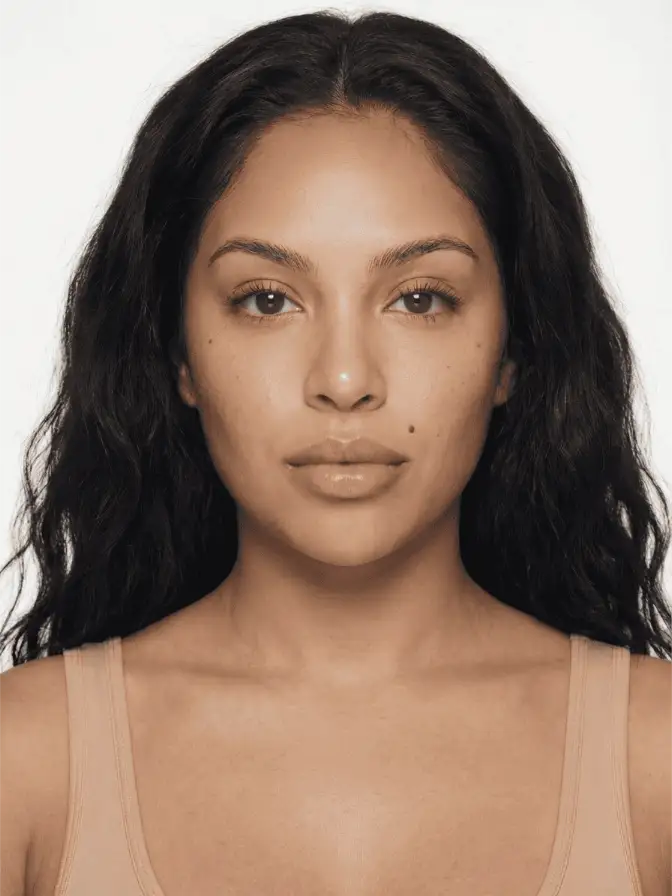
The End of Precision: Why 2026 Makeup Loosened Up
For a decade makeup chased Instagram precision. The 2026 runways rewarded a deliberately imperfect hand instead, and that loosening says something about us.
There is a moment in every beauty cycle when the rules everyone worked so hard to master suddenly look like the problem. We are in one now. After roughly ten years of makeup judged by how sharp, how blended, how seamless it was, the 2026 runways handed the prize to the opposite. Who What Wear’s read on the season put it plainly: the trends now reward a light touch and natural materials far more than the kind of application precision the graphic looks of the 2010s demanded.
That is a bigger statement than it sounds. Precision was the entire value system for a decade. Watching it fall out of fashion is worth more than a swatch.
What precision asked of us
Think back to the face that ruled the 2010s. The brow was drawn, mapped, and carved with concealer until it had corners. The contour was baked under the cheekbone in a line you could have measured. The crease was cut, the highlight was blinding, the wing was a geometry problem. It was beautiful, and it was enormous work, and the whole point was that the labor should disappear into a flawless result.
That face was built for a camera held at arm’s length and a feed that rewarded the dramatic before-and-after. It was makeup as engineering. The skill was real, and so was the pressure. A generation learned to bake under-eyes and tightline before they learned that a face is allowed to look like a face.
What the runways are doing instead
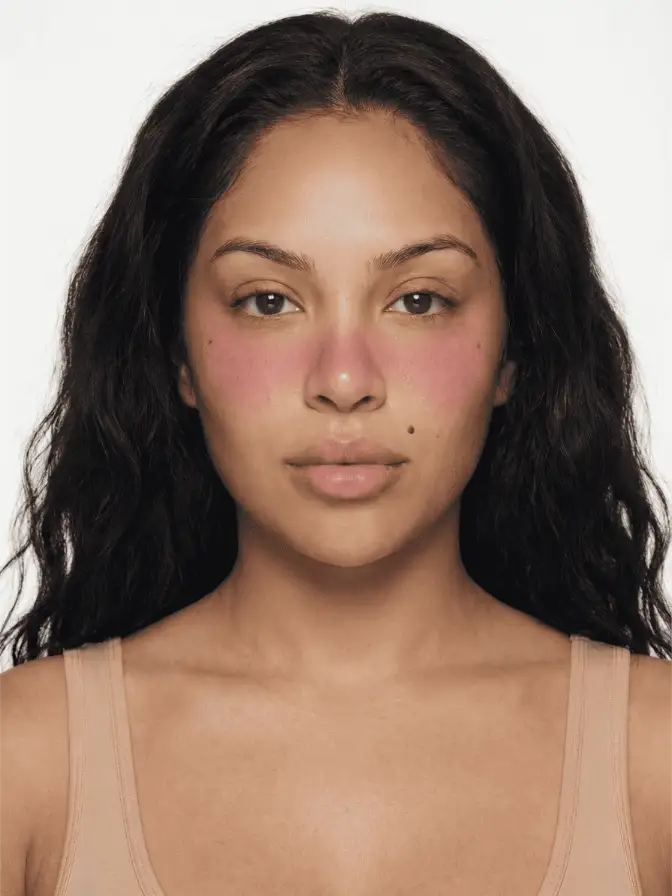
The 2026 collections argued for something looser at almost every turn. The Istituto Marangoni roundup of the SS26 shows landed on a brow that is brushed up and styled with deliberate irregularity rather than groomed into submission, a small detail that quietly rejects a decade of microbladed perfection. Blush came back flushed and generous, swept high and even across the bridge of the nose for a wind-kissed effect rather than a sculpted one.
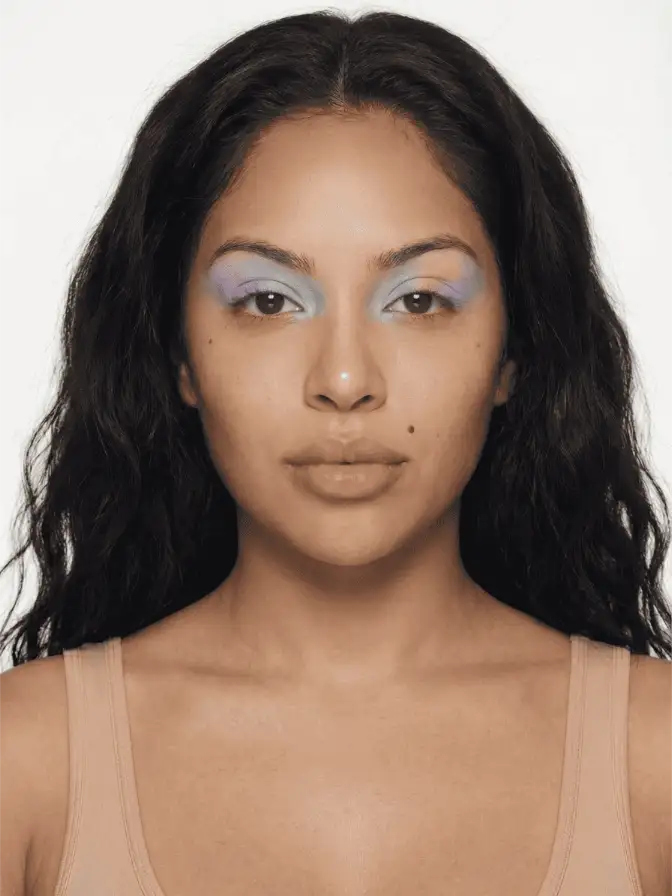
Then there is the color wash, the season’s most editorial idea, where a single saturated tone is dragged across the eye and cheek and lip with no clean edges anywhere. It only works if your hand is a little loose. A perfectly precise color wash would miss the entire point.
Runway Magazine framed the overall direction as a move toward the expressive and away from the technically exact. The looks that landed this season rewarded soft, slightly undone application, the kind that used to get marked down as unfinished.
The camera changed, so the face changed
Part of what drove the loosening is technical, not just emotional. The hyper-precise face was optimized for a specific viewing condition: a still photo, shot close, often with a flash that flattened everything and forgave a heavy hand. Baked under-eyes and a razor contour photograph beautifully under those exact conditions and can look mask-like in person or on video.
Short-form video changed the brief. A face that moves, talks, and turns in natural light exposes the seams in a heavily constructed look, the line where the contour starts, the powdery edge of a cut crease, the flat band of a drawn brow. Softer, skin-led makeup holds up under motion because there are fewer hard edges to catch the light wrong. As the platforms shifted from the polished grid to the live, talking, unfiltered clip, the makeup that survived the medium shifted with it.
So some of this is taste and some of it is just physics. The tools we look at ourselves through stopped rewarding the construction, and makeup followed the camera, as it always has.
This has happened before, and it means something
Beauty loosens up when the culture gets tired of performing. The bare, scrubbed no-makeup look does not return because skin got better. It returns when people stop wanting to look like they tried so hard. The same instinct drives the soft, blurred igari flush out of Japan, all warmth and apparent spontaneity, and it is the instinct behind the diffused, hand-painted edges of watercolor eyeshadow replacing the cut crease.
Even glam has gone quiet. The version of soft glam trending now is softer than the term used to mean, the precision sanded off, the drama turned down to a glow. What reads as current is the look that seems easy, even when it took just as long.
There is usually an economic and emotional read under these shifts. Hyper-precise makeup belongs to a moment of optimism and display, when looking expensive and effortful is the goal. Loose, undone, human makeup tends to surface when people want comfort and authenticity more than spectacle, when the appetite for performing perfection runs out. You can decide for yourself which of those describes right now.
The skill just moved, it did not vanish
It would be easy to read all this as makeup getting lazy. It is closer to the truth to say the difficulty moved somewhere harder to see. A cut crease has a right answer, and you can practice your way to it. A wash of color that looks artfully undone has no right answer, only a sense of when to stop, and that judgment takes longer to build than any single technique.
The artists leading the season understand this completely. The brushed-up brow styled with deliberate irregularity is not an unbrushed brow; someone decided exactly how much disorder looked intentional rather than neglected. The flushed, wind-kissed cheek is placed, even when the placement is meant to look like weather. This is the oldest paradox in styling, the enormous effort it takes to look like you made no effort at all. The 2010s hid the labor inside a flawless result. The 2020s hide it inside an apparent accident.
For the rest of us, that is good news disguised as a higher bar. You are no longer being graded against a stencil. You are being invited to develop taste, which is slower but a lot more durable than learning to bake an under-eye.
What it actually frees you to do
The practical gift of this shift is permission. For ten years, makeup tutorials taught technique as a series of pass-fail checkpoints, and a lot of people decided they were simply bad at it. The 2026 direction quietly dismantles that. A flush swept on with two fingers, a brow combed up and left alone, a wash of color that fades unevenly into your skin, none of these can be done wrong in the way a cut crease can be done wrong.
That does not make the new makeup unskilled. Knowing how much to leave undone is its own difficult thing, and the editorial looks that defined the season took real artists to make them look that careless. But the bar for the rest of us moved. The face the runways are selling in 2026 is one you can actually make on a Tuesday, with your hands, in the mirror, a little imperfectly. After a decade of geometry, that feels less like a trend and more like a relief.
Continue reading
- inspiration Peter Philips: from a Mickey Mouse face to Dior Beauty The graphic-design student who painted Mickey on a model at a Raf Simons shoot went on to run the two most coveted jobs in cosmetics. A profile.
- inspiration Val Garland: The Colorist Who Rewrote the Rules From a Bristol hair salon to the first global makeup director at L'Oreal Paris, Val Garland built a career on refusing the rulebook. A profile of an editorial original.
- inspiration Danessa Myricks, the Accidental Makeup Artist She taught herself makeup from a magazine job, ran product innovation at Benefit, and built her own brand around the shade gap she lived through as a teen.