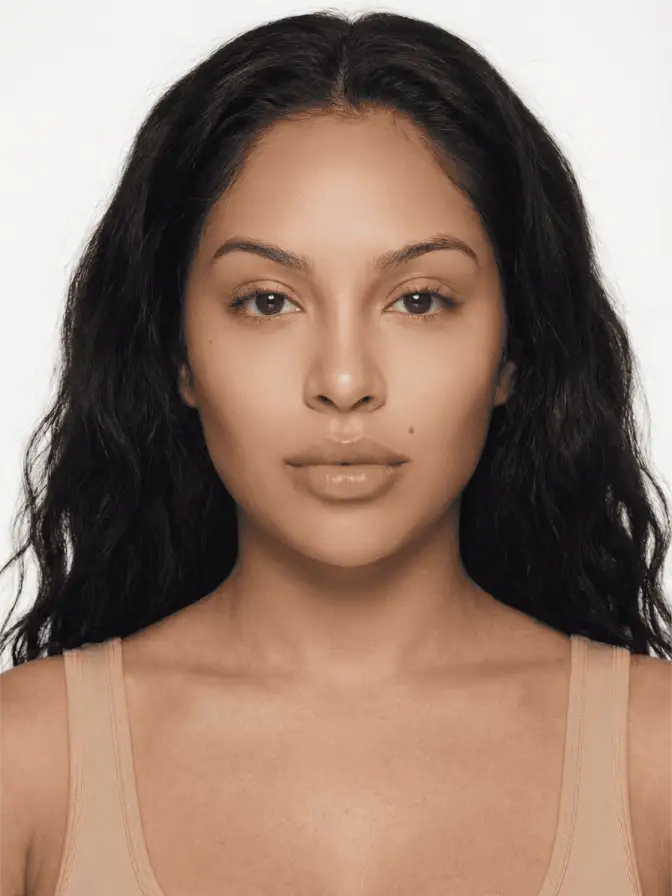
Brush vs sponge vs fingers: when each foundation tool actually wins
Application guides hedge, but viscosity and finish decide the right foundation tool. Three concrete rules determine when to reach for a brush, a damp sponge, or fingers.
A working makeup artist will tell you the tool decision is built into the foundation before you open the bottle. Pick up a Pat McGrath Sublime Perfection (a thicker, satin-finish liquid), and the right answer is almost always a brush. Pick up a Hourglass Vanish Airbrush Concealer (a thinner, fluid formula), and a damp sponge wins. Pick up a Glossier Stretch Concealer (cream, sheer, designed to live on the skin barrier), and your finger is the correct tool because nothing else will warm it to the right working temperature.
The hedge in most guides (“use what feels right”) exists because the people writing the guides are trying to be brand-neutral. Once you accept that the tool depends on the product’s viscosity and the finish you want, the choice becomes mechanical.
Three rules that decide the tool
Rule one: viscosity determines tool
Thick liquid foundation (Pat McGrath Sublime Perfection, Estée Lauder Double Wear, NARS Sheer Glow used at full coverage) pairs with a dense synthetic brush. The thick formula needs pressure to spread, and a flat-headed brush like the Real Techniques Expert Face Brush or the Mac 170 Synthetic Rounded Slant gives you that pressure without dragging. Pressed in stippling motions, you get full coverage in 45 seconds.
Medium-viscosity foundation (Estée Lauder Futurist Hydra Rescue, Charlotte Tilbury Airbrush Flawless, most “natural finish” formulas) is the most flexible category and works with all three tools. The decision moves to finish: brush for a slightly built-up satin, sponge for skin-like, fingers for melty.
Thin liquid foundation (Glossier Skin Tint, Hourglass Vanish, NARS Light Reflecting Foundation in its lightest application) pairs almost exclusively with a damp sponge. The thin formula will streak under a brush and will simply slide if applied with fingers. The sponge meters the product through capillary action: it absorbs some, deposits a controlled amount, and presses it into the skin without disturbing the formula’s emulsion.
Powder foundation (Mac Studio Fix Powder, Maybelline Fit Me Matte + Poreless powder version) pairs with a fluffy synthetic powder brush. Sponge applicators included in the compact give heavier coverage and work for a structured look like the HD makeup approach, but for daily wear the brush gives a softer transition.
Rule two: finish decides between sponge and brush in the medium range
If you want the finish to read as skin (the goal of no-makeup-makeup and most everyday looks), use a damp sponge. The sponge presses product into the skin and gives a finish that looks like it grew there. The trade-off is product absorption: roughly 20 to 35 percent of what you load goes into the sponge depending on dampness, which compounds quickly on premium products.
If you want a slightly built-up, satin or matte finish (the soft glam baseline or anything that needs to photograph evenly under flash), use a brush. The brush sits the foundation on top of the skin rather than pressing it in, and the surface looks more like a worn finish than a melted finish. For event makeup, the brush also gives better longevity because the product isn’t broken up by the damp pressing action that a sponge applies.
If you want a melty, almost-second-skin look that lets natural texture show through (the airbrush-style finish at the lightest end, where the foundation reads as a tint rather than a layer), use clean fingers. Body heat thins the formula and lets it grip the skin’s micro-texture. The sponge can give a similar result, but fingers are faster on a light-coverage formula.
Rule three: skin condition trumps the first two rules
Texture matters. Dry, flaking skin under foundation looks worse with a brush than with any other tool because the brush bristles lift the flakes and deposit them visibly on top of the product. Dry skin with active flaking takes fingers or a sponge, regardless of what the foundation viscosity suggests.
Oily skin in the T-zone tends to pill foundation if you over-work it. Sponges, which press and dab, work better than brushes, which buff. Buffing breaks down the bond between foundation and skin and pills the formula into visible flecks.
Active blemishes or raised texture (hormonal cysts, scabbed picking damage, raised post-acne marks) almost always take a fingertip for the affected area, even when the rest of the face is being done with a brush. The fingertip applies the lightest pressure of the three tools and is least likely to disturb the area.
What the combinations look like in practice
A full-coverage event face: dense brush for foundation, then a damp sponge passed over the top to press and meld. The brush lays down coverage; the sponge takes the brush-marks out.
A daily no-makeup face: damp sponge alone, with a fingertip dab over any blemishes or stubborn dark spots that need a second pass.
A photography face for video calls: brush, no sponge. The brush finish photographs cleaner under fluorescent and laptop-screen lighting than a sponge finish, which can look slightly damp in low-quality video.
A 90-second emergency face before a meeting: fingertips on a light formula, period. Brush and sponge both take longer than fingers when the goal is just to even out skin tone before you walk out the door.
The tool changes more than you think
There’s a working rule among professional artists that the tool decision should change every season as the foundation changes. Winter skin (drier, thinner, easier to streak) wants a sponge or fingers even with foundations that took a brush in August. Summer skin (oilier, more swollen, more reactive to friction) wants a brush even with foundations that took fingers in February.
The Lancôme Teint Idole Ultra Wear that worked beautifully with fingertips in August might pill into a brush job by November on the same person. Notice when a familiar product starts behaving badly. Almost always, the answer is that the climate has changed and the tool needs to follow. The product is fine; the application logic has shifted.
That’s the deeper lesson behind the three rules. The tool isn’t a fixed preference. It’s a real-time response to viscosity, finish, and skin condition, and the people who look like their face is always working are the ones who change the tool before the formula does.
Frequently asked
Does a beauty blender really absorb a lot of foundation?
Yes. A damp Beautyblender absorbs roughly 20 to 35 percent of the foundation you load onto it, depending on how soaked the sponge is. If you want to test it on your own, weigh the sponge dry, soak and squeeze it, then weigh it again after a full face application. The math is unforgiving on a 38 dollar bottle of Pat McGrath Skin Fetish 003.
Can you use the same brush for liquid and powder foundation?
Not effectively. Liquid foundation needs a dense, flat-headed synthetic brush so the bristles don't soak product, while powder foundation needs a softer, fluffier synthetic or natural-bristle brush that can pick up powder and lay it down without packing. A brush designed for liquid will compress powder; a fluffy powder brush will streak liquid.
Why does foundation look streaky when I use my fingers?
Your fingertips warm the foundation, which thins the formula, but they also drag pigment unevenly because skin is textured, not flat. Streaking happens when you sweep instead of press. The fix is to dot the product on, then use a clean fingertip to press it into the skin in firm dabs rather than wiping motion. Patience matters more than tool.
Continue reading
- technique Stained Blush Without the Blotch: Applying Watercolor Cheek Tints Liquid and water-gel blush goes patchy because of speed and prep, not the formula. Here is the small-area, damp-finger method that fixes the blotch for good.
- technique Puppy eyeliner: the downturned wing for rounder eyes Puppy liner drops the flick instead of lifting it, the opposite of a cat eye. Why the downturned wing flatters hooded and downturned eyes, and how to draw it.
- technique Eyeshadow by Eye Color: The Complementary Rule, Used Well The color wheel says wear the opposite of your eye color. That is true and incomplete. Here is why complementary shadow works, and the nuance for each eye.