Under-eye blush: the aegyo-sal trend, explained properly
TikTok's under-eye blush look rebrands a Korean beauty fixture from 2014. Here is what aegyo-sal actually means, and how to wear it without looking puffy.
The first time aegyo-sal showed up in English-language beauty press was around 2014, when Allure ran a guide to Korean idols’ “puppy bags”. Twelve years later, the same technique is back on the For You page under a new name, and the comments are split between people who think it looks like a sunburn and people booking filler dissolvers.
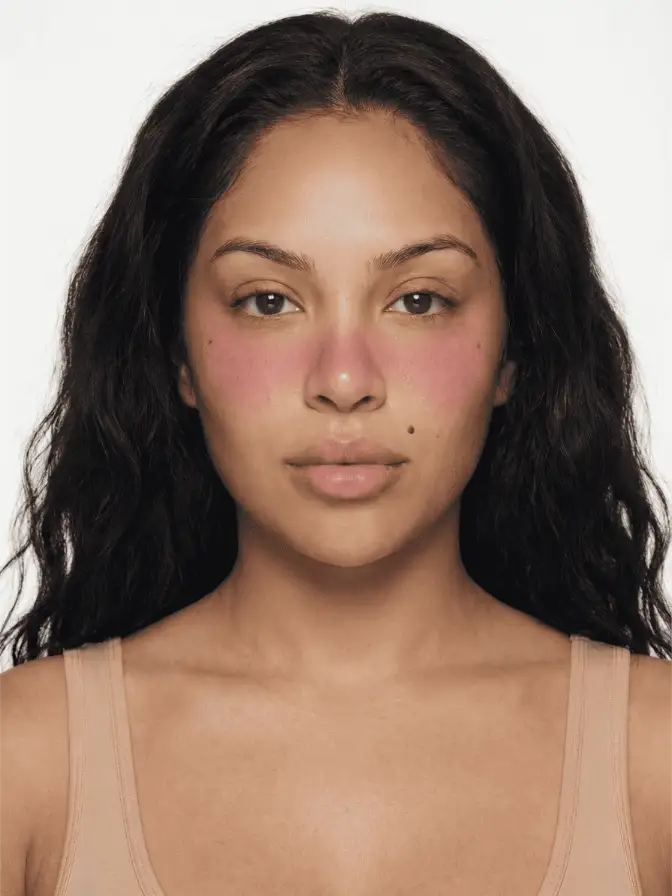
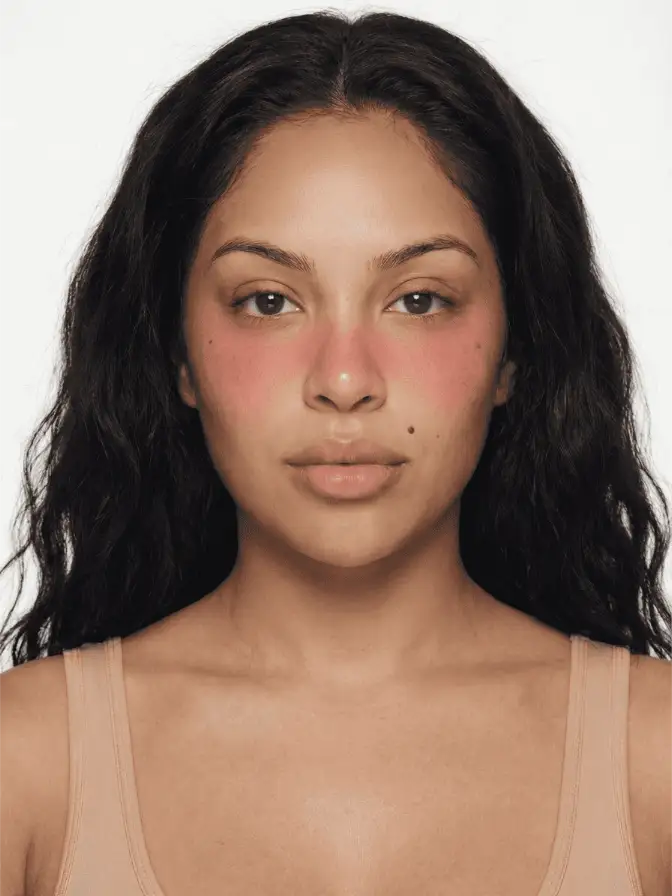
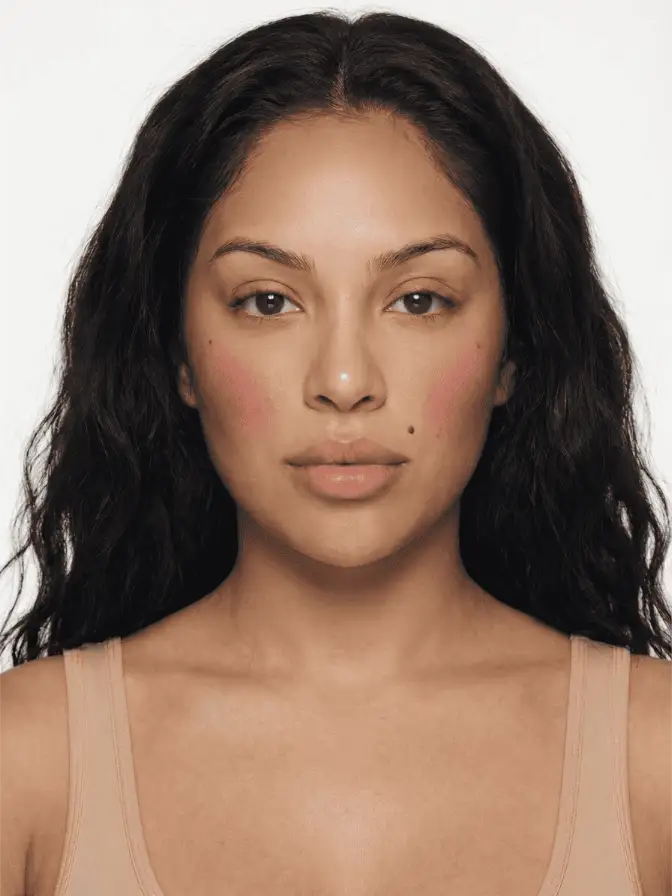
Both readings have a point. Done properly, the look traces a fine pink wash along the orbital bone where a healthy flush would naturally settle. Done sloppily, it sits on the under-eye hollow and amplifies every shadow you spent five minutes concealing.
What aegyo-sal actually is
Aegyo-sal (애교살) translates roughly as “charming flesh” or “cute eye bags”. It refers to the small fold of orbicularis oculi muscle that sits directly below the lower lash line, distinct from the deeper hollows or eye bags that come with sleep deprivation or age. In Korean beauty culture, a pronounced aegyo-sal reads as youthful, sleepy, slightly flirtatious, the same visual cue cartoonists use when they want to draw an expressive face.
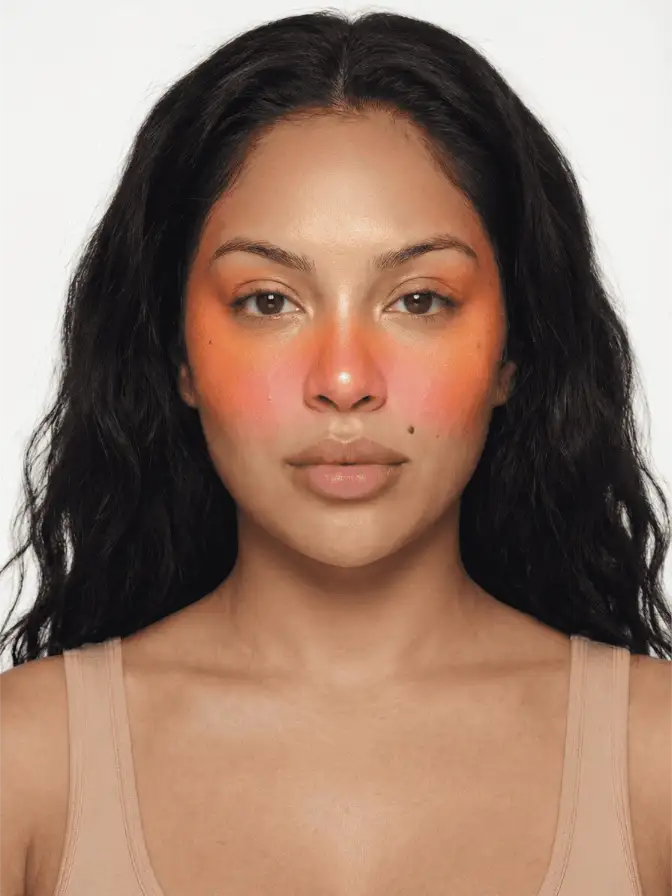
The makeup version of aegyo-sal predates the TikTok trend by more than a decade. A typical 2010s K-beauty routine layered a champagne shimmer along the muscle to catch light, then a fine brown line below to fake a deeper shadow. The current trend swaps the shimmer-and-shadow combination for a single warm pigment. According to Marie Claire UK’s writeup of the trend, the placement creates the effect of “a fake natural sunburn spread over the bridge of the nose and under each eye”.
That sentence is the whole brief. If you can imagine the way your face looks after thirty minutes outside on a cold morning, that is the look you are reverse-engineering with a brush.
Where the colour goes (and where it does not)
The trend’s failure mode is placement. Most tutorials show people swiping blush directly onto the under-eye hollow, the same triangle where you would apply concealer. That spot is the lowest, most shadowed point of the eye area, and adding warm pigment there creates a muddy purple effect rather than a flush.
The right placement is one centimetre higher, on the rounded bone just below the lower lashes. That ridge is what catches sunlight when you smile. Stylist’s beauty desk made the same point in their hands-on test of the trend: “placement is everything here; whereas you’d usually apply blush on the apples of your cheeks, this look hinges on product sitting at the very top of the cheeks around the under-eyes”. A quick smile in the mirror tells you exactly where the bone sits, the rounded muscle that pushes up when you grin.
If you have hooded eyes or naturally darker undereye circles, push the pigment slightly outward toward the temple, never inward toward the tear duct. Inner-corner pigment reads as illness, every time.
Formula matters more than colour
The Zoe Report’s coverage of the trend lands hard on one rule: matte only fails. The thin skin around the orbital bone has visible capillaries, fine lines, and concealer beneath it, all of which a matte powder grabs. A liquid blush or a jelly tint slips over those textures and dries to a stain rather than sitting on top.
For dry or mature skin, Rare Beauty Soft Pinch in Joy or Hope works because the silicone-water emulsion sets just enough to stay put without flashing back. For combination or oily, Tower 28 BeachPlease in Magic Hour or Milk Cooling Water Jelly Tint blends with a fingertip and dries faster, which matters when you do not want pigment migrating into your concealer mid-day. Glossier Cloud Paint sits between the two, and the older Cloud Paint shades like Beam and Dusk happen to sit in exactly the warm-coral register that flatters the most skin tones for this technique.
Avoid red-leaning blushes for under-eye placement. A true red on the orbital bone reads as an allergic reaction, especially under fluorescent light. Coral, peach, salmon, and warm pink work because those tones share a yellow base with healthy skin and so blend rather than fight with it.
How undertone changes the call
The trend reads differently on different skin tones, and most viral tutorials gloss over this.
On fair, pink-leaning skin, aegyo-sal blush should stay barely-there. A heavy sweep of warm pink reads as rosacea on cool undertones. One pass with a fluffy brush over a cream blush already on the cheeks is plenty.
On medium and olive skin, the technique tolerates more colour. A peachy coral with a hint of bronze, exactly the igari shade language Japanese makeup artists like Kanako Takase popularised in the early 2010s, reads as a healthy after-walk flush.
On deep skin, brick, terracotta, and warm berry actually show up under the eye where pinker shades disappear. NARS Liberte and MAC Sweet William are the reference points most makeup artists reach for. The under-eye placement also tends to read more clearly here than the apples of the cheeks, since the orbital bone catches more directional light than the rounded cheekbone.
When the look fails
Three predictable failure modes:
The look reads as illness. Cause: pigment is too cool, or it sat on the inner corner. Fix: shift coral-warmer, blend outward only.
The look reads as exhaustion. Cause: under-eye is unconcealed, so the blush layered over a natural shadow turns into a bruise. Fix: brightening corrector first, then a thin micro-layer of pigment.
The look reads as a sunburn. Cause: too much product, or the blush is too saturated for the daylight you are wearing it in. Fix: take a clean dense brush over the area to break up the colour, or layer powder on top to mute it.
The trend does not require commitment. Wearing it well usually means doing less than the tutorial that taught you, then layering more colour on the actual cheekbone if you want extra warmth. A good boyfriend blush approach to colour sits exactly here, where you are aiming for the flushed-after-a-run register rather than full doll glow. For a glossier, dewier read, the igari (jbeauty) variant adds a touch of pink to the bridge of the nose, which softens the under-eye pigment and ties the look together.
What this trend tells you about cycles
Beauty trends compress every fifteen years now. The original aegyo-sal moment in Korea was 2012 to 2014. The igari “hangover makeup” Japanese variant peaked around the same time. The current TikTok rebrand is the third time this exact placement has gone mainstream in twelve years. What changes each cycle is mostly the formula vocabulary: powder shimmer in 2014, cream blush in 2019, jelly tint in 2026. The placement is identical.
That is worth remembering the next time something gets called groundbreaking on a beauty app. Most “new” placement trends are forty-year-old K-beauty or J-beauty techniques with a new caption.
Frequently asked
Does under-eye blush make you look more tired?
Only if you skip the brightening step underneath. Apply a peach or salmon corrector first to neutralise dark circles, then a thin sweep of pigment on the orbital bone. Without that base layer the colour reads as bruise rather than flush.
What blush formula works best under the eyes?
Liquid or jelly textures with a satin finish. Anything matte tends to grab onto the dry, thin skin around the eye and emphasise fine lines. Anything heavily shimmery accentuates pores and crow's-feet under camera flash.
Should I skip concealer if I'm doing under-eye blush?
No. You want concealer to even out tone and a thin layer of pigment over it. Skipping concealer leaves the natural shadow visible, which mutes the warmth of the blush and reads as pink-tinted exhaustion.
Continue reading
- trends The Gray Grunge Eye: The Soft Rock-Star Smudge of Summer Black smoke went hard and dated. The gray grunge eye on this summer's runways is smudged, dewy, and cool. Here is why it works and how to wear it.
- trends Butter Yellow Eyeshadow, the Soft Neutral That Isn't Butter yellow ran the runways, then landed in TikTok makeup tutorials. It acts like a warm neutral but reads as color. Here is how to wear it by skin tone.
- trends Sunburn Blush: The Flush That Crosses the Nose The summer 2026 blush trend drags warm color across the nose and upper cheeks to fake a sun-touched flush. Here is where to place it and what holds in heat.