Frosted Lipstick Returns: The Cool-Toned Y2K Revival
Frosted lips are back, but the new version pairs pearly cool-toned shades with dewy skin instead of the flat, chalky matte base of the Y2K original.
The first sign was a sold-out tube. L’Oréal’s Ballerina Shoes lipstick, a cool Y2K-coded frosty pink, racked up around 2.5 million views on TikTok and went out of stock more than once before the spring even started. Then it walked the Fall 2026 runways. By the time Who What Wear ran its February roundup of frosted shades to shop, the trend had stopped being a nostalgia experiment and become a thing people were actually buying.
If you wore makeup in 2003, your stomach might be turning a little. Frosted lipstick has a bad reputation for good reason. The version most of us remember was opaque, slightly chalky, lined with a darker pencil, and worn over skin that had been powdered into total flatness. It aged everyone. It settled into every line on the lip. It is the single most requested “please never again” look in old-makeup-regret threads.
So why is it working now?
What actually changed
The frost itself is the same optical trick: light-reflecting particles, usually mica or synthetic pearl, suspended in the bullet so the lip throws back a cool sheen instead of absorbing light the way a matte does. That part has not moved much. What changed is everything around it.
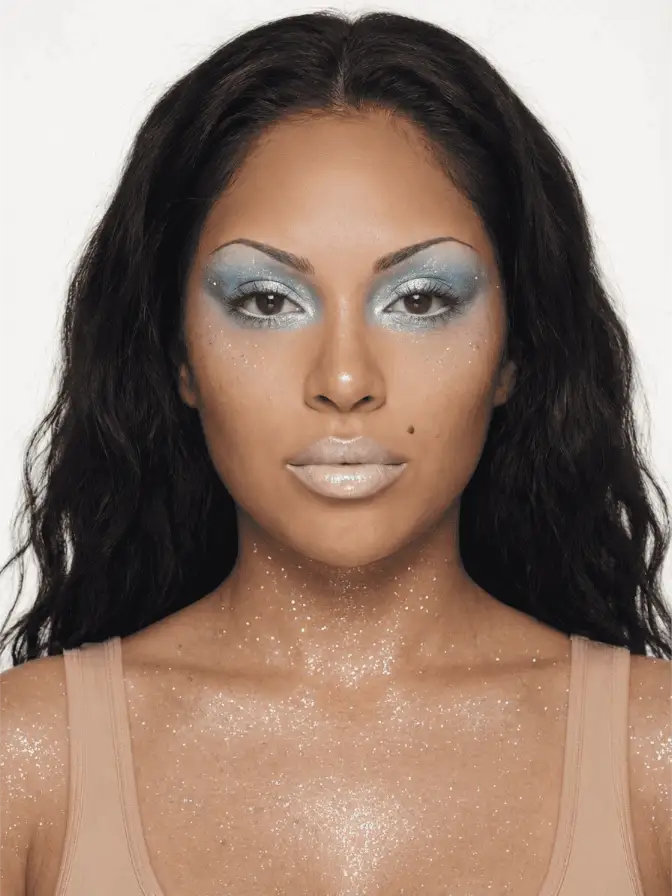
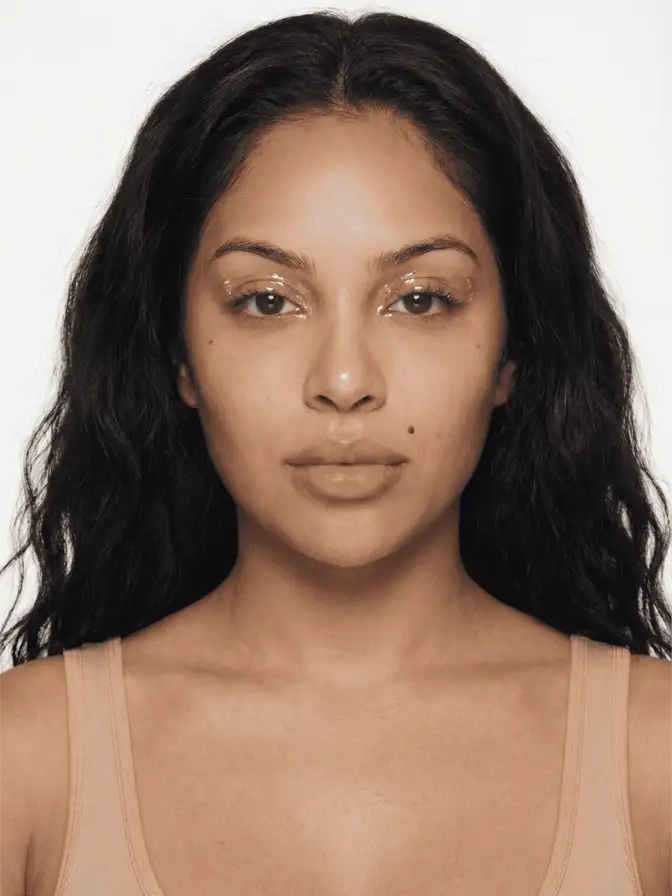
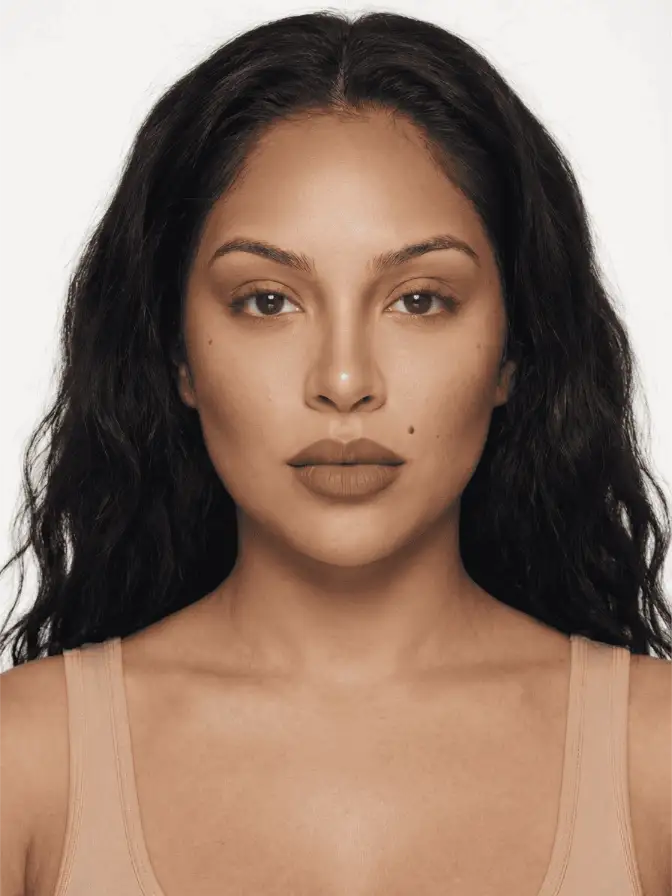
The 2003 frost lived on a matte face. The 2026 frost lives on a dewy one. That single swap does most of the work. According to IPSY’s breakdown of the trend, the move is to match a frosty lip with luminous skin, a tinted moisturizer instead of matte foundation, a babydoll blush, and a little shimmer on the eyes. When the whole face is catching light, the lip stops looking like an isolated frosted square and starts looking like part of a finish.
Formulas got better too. Old frosts were drier because the pearl load was high and the emollient load was low, so the particles had nothing to sit in and they grabbed every flake of dry skin. Newer ones carry the shimmer in a more cushioned, balmy base. Marie Claire’s frosted lipstick guide keeps pointing to that sheerness as the deciding factor; the shades people are reaching for now read more like a tinted balm with a frost finish than the old solid lacquer.
And the color story shifted cooler. Who What Wear has been tracking a sub-trend it calls Cool Blue, with searches for “frosted makeup” reportedly up around 150 percent, built on icy tones and high-shine finishes. The shades selling are not the silvery near-whites of the 2000s. They are cool mauve-pinks and frosty plum-browns. L’Oréal’s Ballerina Shoes sits in that cool-pink lane. Other shades getting named, like a frosty plum-pink called Sugar Plum and a frosty berry-brown called Spiced Cider, carry enough depth that the frost reads as finish rather than costume.
Ballet-slipper lips, explained
The phrase you will keep seeing is “ballet-slipper lips.” It describes a cool-toned pink lip with a frosted or satin finish, soft and a little sheer, the polite cousin of the full Y2K frost. It is essentially the gateway version. You get the pearl, you get the cool pink, but you skip the heavy opacity and the dark liner that made the original so unforgiving.
This is the part that makes the trend wearable for people who are not chasing a costume. A ballet-slipper lip is closer in spirit to the glossy lid look than to a 2002 lip kit; it is about a wash of cool shine, not a sealed coat of pigment.
How to wear it if you remember it the first time
The single most useful tip floating around, and the one IPSY leads with for beginners, is to stop swiping the bullet straight onto your mouth. Dab it on with a fingertip instead. You get a diffused, blotted layer that reads as a hint of frost, which is far more flattering and far more current than full coverage. A thin wash forgives lip texture; a thick coat broadcasts it.
A few things that separate the 2026 version from the throwback:
- Skip the dark lip liner. The hard contrast line between a deep pencil and a pale frost is the most dated part of the original. If you want definition, use a liner within a shade of your lip color, or none at all.
- Prep the lip first. Frost is merciless on flaky skin. A quick exfoliating scrub and a balm before you start, the same prep step you would do before the Y2K look, gives the pearl a smooth surface to sit on.
- Cool tones over silver. A cool mauve-pink or a plum-frost flatters far more skin tones than the old icy silver-white, which only really worked on the deepest and the coolest complexions.
- Build the rest dewy. Luminous base, cream blush, a wash of shimmer somewhere on the eye. The frost needs company or it looks stranded.
There is a reason this is showing up alongside the broader 2000s and late-90s revival, the same pull that brought back the supermodel-era clean-but-glossy face. Frost is shorthand for a specific kind of optimism, the lip-gloss-and-butterfly-clip optimism of that moment, and reinterpreting it with a sheer hand and a dewy base lets you reference it without time-traveling all the way back.
Matching the frost to your undertone
Not every frost flatters every face, and the old assumption that frosted lipstick is universally aging came partly from people wearing the wrong undertone. The shades doing well in 2026 skew cool, but “cool” covers a lot of ground.
If your skin reads warm, a frosty plum-brown like the much-cited Spiced Cider tends to sit more naturally than an icy pink, because the brown anchors the pearl and keeps it from looking ashy against golden skin. Cooler and fairer complexions can carry the true ballet-slipper pink, the L’Oréal Ballerina Shoes lane, without it disappearing. Deeper skin tones often look striking in a frosted berry or a cool mauve with real pigment depth, where a pale silver-frost would just go chalky. The rule that holds across all of them: the more pearl, the less pigment you want, so the finish reads as light rather than paint.
Beyond the lip
The lip is the entry point, but Who What Wear has been tracking frost spreading across the whole face under that Cool Blue banner: icy eyeshadows, silver highlighters, the pearly, futuristic finish that feels equal parts nostalgic and new. You do not have to commit to all of it. A frosted lip with a single swipe of cool shimmer on the inner corner of the eye is plenty to make the lip look intentional rather than marooned.
If you want to push further, a wash of pale frost across the lid pairs cleanly with the cool-pink mouth, the same logic as a glossy lid but with a pearl finish instead of a wet one. Keep blush in the cool family too, a soft rosy-pink rather than a warm terracotta, so the whole face agrees with itself. The thing that ties a frosted look together is consistency of temperature, not quantity of shimmer.
Whether it sticks past this season is anyone’s guess. Frost has a habit of disappearing for fifteen years and coming back when everyone has forgotten why they hated it. For now, the cool-toned, finger-dabbed, dewy-skinned version is genuinely pretty, and that is more than the 2003 one could ever claim.
Frequently asked
Does frosted lipstick make you look older?
It can if you wear it the 2003 way, with a heavy opaque coat and matte everything-else. The 2026 version reads young because the lip is sheer and the rest of the face is dewy. The frost catches light instead of sitting on top of dry texture, which is what used to age the look.
What skin makeup goes with frosted lips?
Keep the complexion luminous. A tinted moisturizer or skin tint rather than a full matte foundation, a soft cream blush high on the cheek, and a touch of shimmer on the lid. The point is to echo the frost on the lip somewhere else so it looks intentional.
How do I wear frosted lipstick without it looking dated?
Apply it with your finger in a thin wash instead of swiping the bullet straight on. A diffused, blotted layer of frost looks current; a thick, lined, fully opaque frost reads like a 2002 throwback. Cool mauve-pinks date better than the old silvery-white frosts.
Continue reading
- trends The Gray Grunge Eye: The Soft Rock-Star Smudge of Summer Black smoke went hard and dated. The gray grunge eye on this summer's runways is smudged, dewy, and cool. Here is why it works and how to wear it.
- trends Butter Yellow Eyeshadow, the Soft Neutral That Isn't Butter yellow ran the runways, then landed in TikTok makeup tutorials. It acts like a warm neutral but reads as color. Here is how to wear it by skin tone.
- trends Sunburn Blush: The Flush That Crosses the Nose The summer 2026 blush trend drags warm color across the nose and upper cheeks to fake a sun-touched flush. Here is where to place it and what holds in heat.