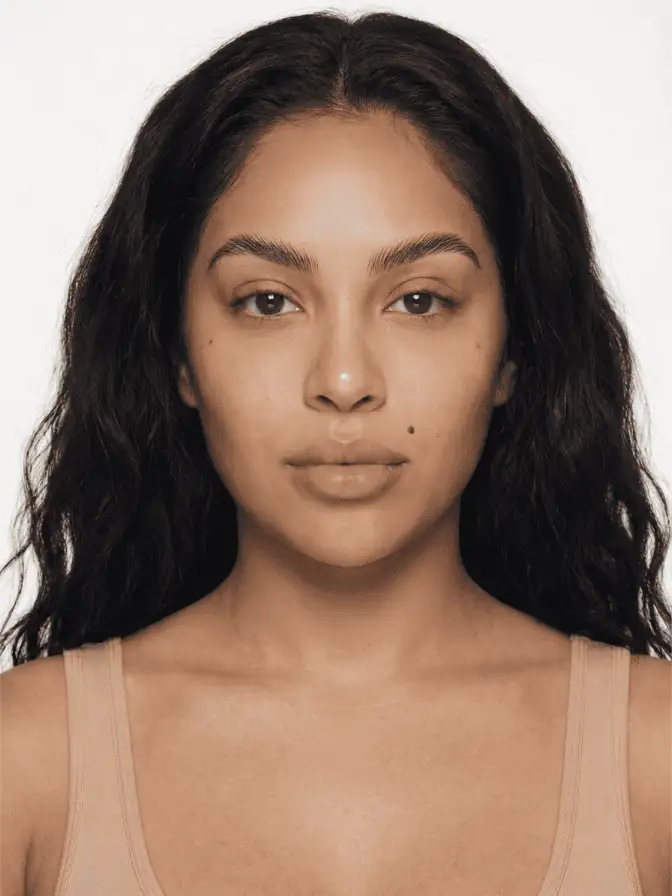
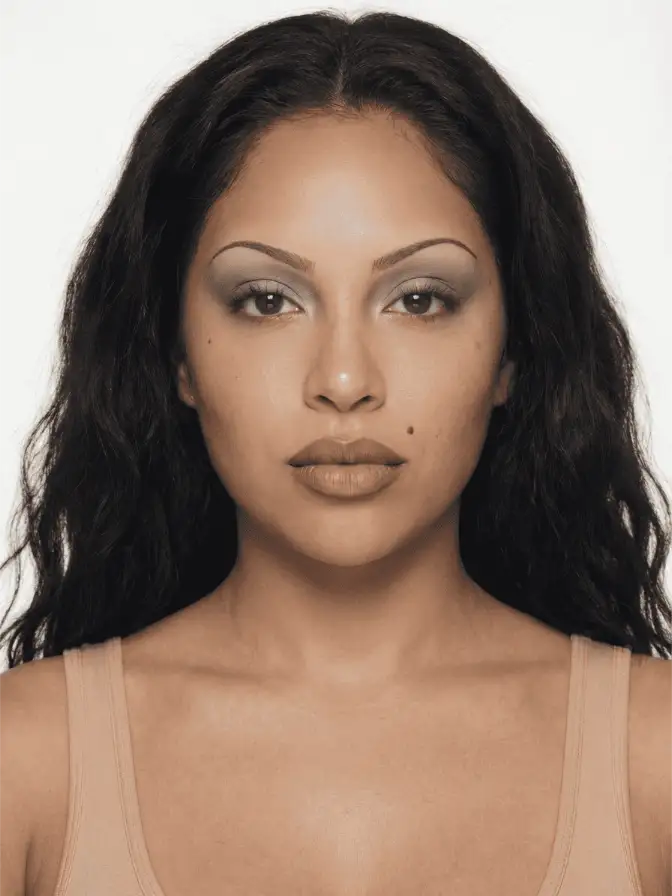
Brow lamination vs soap brows: which actually holds
Soap brows hit year three and fell apart in summer humidity. Brow lamination rebounded as the salon answer that holds shape for six weeks.
The clean-girl movement that started in 2022 carried fluffy, soap-set brows on its back. Every TikTok before-and-after from 2023 and 2024 used a glycerin soap and a spoolie to lift the hair upward into the brushed-up brow that came to define the aesthetic. Three years later, the same look is having a quiet credibility problem. Soap brows fall apart the moment you sweat. They were always going to, because the binding chemistry is just glycerin holding hair in place by surface tension, but the 2022 honeymoon hid that fact for two full years.
In 2026 the conversation has swung back to brow lamination. Julie Phaxay’s Minnesota studio published a piece flagging laminated brows and nano brows as the dominant 2026 trends, citing a sharp uptick in client bookings since January. The Brow Fixx put up a side-by-side called “Brow Styling Showdown” that lays out the case directly: soap brows last a few hours and need reapplication; lamination holds for up to six weeks with little to no maintenance, and survives water, sweat, and humidity. The aesthetic is similar enough on day one. The difference is what happens by day two.
The chemistry of why one holds and the other does not
Brow lamination is a perm. The chemistry uses a cysteamine or thioglycolate solution to break the disulphide bonds in the hair’s keratin structure, lets the technician comb the hair into a new lifted position, then uses a neutraliser (usually hydrogen peroxide at low concentration) to reform the bonds in the new shape. The hair physically holds the new direction because the keratin has been chemically reformatted. The Eyebrows Bar guide to soap brows vs lamination puts it plainly: lamination changes the bond structure of the hair, while soap brows only coat it.
Soap brows are surface tension and nothing else. A glycerin-based soap (the classic is West Barn Co Soap Brows; the dupe is a slivered bar of any glycerin soap) is wet with a spoolie and brushed through the brow. The soap film dries, the hair stays in the lifted position because the soap acts as a temporary adhesive, and the bond breaks the moment moisture re-introduces itself. Rain, sweat, or even shower steam undoes the look. There is no chemistry holding it; there is only friction and a thin film of dried surfactant.
Why soap brows had a three-year run anyway
The reason soap brows dominated despite the durability problem is that the look was free, immediate, and reversible. A bar of glycerin soap from the supermarket costs four dollars and lasts a year. There was no booking, no chemical commitment, no walking out of a salon with brows you would have to live with for six weeks. For the clean-girl era, when the whole aesthetic was about looking minimally done, the no-commitment ethos mattered more than the longevity. A look that holds for three hours is fine if you are going from coffee shop to studio to bar and home; it falls apart at hour six only if you needed it to hold until hour six.
What changed in 2026 was the heat. The Northern Hemisphere had its hottest May on record in 2025 and the trend has continued; humidity-driven beauty failures became a normal part of the online conversation. Sweat melts soap brows in under an hour. Bookings for the office siren look, which depends on architectural brows, started shifting toward lamination because the soap version stopped surviving the commute.
What lamination actually looks like in 2026
The contemporary lamination service runs about $80 to $150 in major US cities, takes 45 minutes, and includes brow shaping and tinting bundled in. The Signature Brows breakdown notes that the brow tech applies the first solution, combs the brow upward, leaves it on for eight to twelve minutes depending on hair coarseness, neutralises, and then conditions the hair with a peptide or argan oil treatment. The result is a brow that stays brushed up without product, photographs cleanly under any light condition, and survives a workout.
The aesthetic ceiling is higher than the soap brow version. Because the hair is physically lifted, you can see the natural shape of the brow without it being weighed down by product, which reads as more polished. The look pairs more cleanly with the clean girl skin direction than the soap version did, since there is no visible film catching light at the wrong angle.
The technique sits next to the soap brows laminated hybrid look that some brow techs now sell as a maintenance option between full lamination sessions: a light soap pass that adds polish to already-laminated brows for an event, without doing anything chemistry-altering. It splits the difference between durability and flexibility.
When soap brows still make sense
Lamination is not always the right call. If your brows are sparse, lamination will exaggerate the gaps rather than hide them; you need density before you can lift. If your hair is fine and already prone to breakage from over-processing (heavy heat styling, frequent colour), the perming chemistry can take you over the edge into brittle territory within two or three sessions. Sparse or fragile brows do better with microblading or a careful tint, and soap brows on top of either of those work fine for daily wear.
For everyone else, the calculus has shifted. Lamination costs roughly the same per month as a manicure if you do it every six weeks. The maintenance is essentially zero: brush the brows up in the morning, that is the routine. The trade-off you accept is the inability to change your brow shape for a month and a half, which for most people in the brushed-up era is not actually a constraint.
What this means for the next twelve months
The Marie Claire UK beauty report flagged “lift and hold” as one of the dominant brow directions for 2026, with brow lamination cited as the technical foundation underneath the broader trend. The interesting downstream effect is on brow products themselves: brow gels and pomades are starting to advertise compatibility with laminated brows, and the next 18 months will likely see formulations specifically built to work on top of lamination rather than as standalone hold products.
Soap brows are not going away. They will retreat to where they always made sense: an at-home, no-commitment option for occasional polish, and a hybrid maintenance step for people whose brows are already laminated. The era of soap brows as the default everyday solution is over because the chemistry was always going to lose to humidity, and 2026 finally made that fact unavoidable.
Frequently asked
Does brow lamination actually damage the hair?
It can, if the technician leaves the solutions on too long or laminates too frequently. The chemistry breaks and reforms disulphide bonds in the hair shaft, the same process as a perm. Done every six to eight weeks by a competent tech, the damage is mild and reversible. Done monthly, the brow hair becomes brittle and starts to snap mid-shaft within a year.
Can you soap brow over already-laminated brows?
Yes, and it works better than soap brows on untreated hair. The lamination has already straightened and lifted the hair, so the soap mostly anchors the shape rather than fighting natural growth pattern. A spoolie with a small amount of brow soap sets the look for the day with minimal effort.
How long does brow lamination really last?
Four to six weeks for the lifted shape, though the visible lift starts softening around week three as new hair grows in below the laminated cuticles. The Signature Brows shop notes six weeks as the upper end with light maintenance, and most clients re-book at the four-week mark.
Continue reading
- trends The Gray Grunge Eye: The Soft Rock-Star Smudge of Summer Black smoke went hard and dated. The gray grunge eye on this summer's runways is smudged, dewy, and cool. Here is why it works and how to wear it.
- trends Butter Yellow Eyeshadow, the Soft Neutral That Isn't Butter yellow ran the runways, then landed in TikTok makeup tutorials. It acts like a warm neutral but reads as color. Here is how to wear it by skin tone.
- trends Sunburn Blush: The Flush That Crosses the Nose The summer 2026 blush trend drags warm color across the nose and upper cheeks to fake a sun-touched flush. Here is where to place it and what holds in heat.