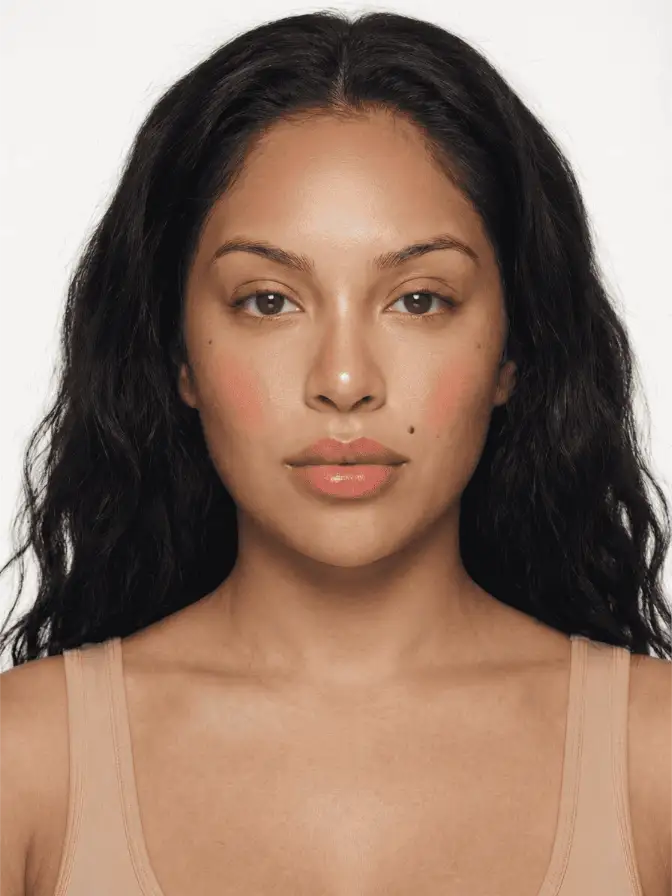
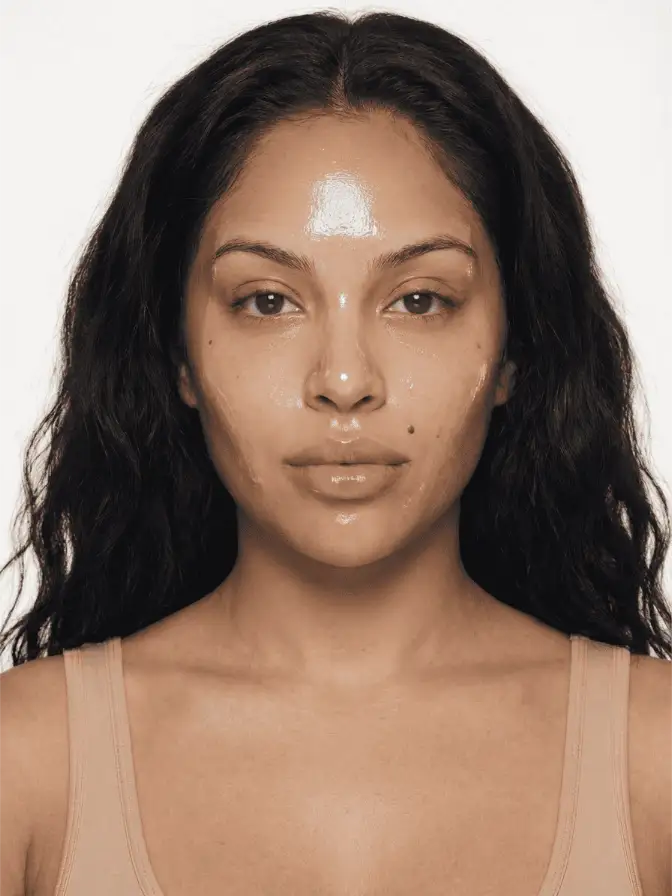
Beach Day Makeup That Survives Sand, Salt, and SPF
A realistic beach face built around water resistance and SPF you can actually reapply, not a full beat that slides off after the first swim. What to wear and skip.
The fastest way to ruin a beach day is to wear the same makeup you would wear to the office. Foundation, powder and a careful contour are built for air conditioning, not for saltwater, sand and an afternoon of reapplying sunscreen over the top. By the second swim it has gone patchy, and by the third it is in the sea.
A beach face is a different brief. The question is not how much coverage you can get, it is how little you can wear while still looking pulled together after you have been in the water. Everything below assumes you will get wet, sweat, and need to put more SPF on at least twice. Plan for that and the look survives. Fight it and it does not.
Sunscreen is the base, not the makeup
Start with the part people most want to skip. The SPF in your foundation or tinted moisturizer is not enough for a day in direct sun; you would need to apply roughly seven times the normal amount of foundation to reach the protection on the label, and nobody does that. So sunscreen goes on first as its own step, a proper broad-spectrum SPF 30 or higher, applied generously to a clean face and given a few minutes to set before anything else.
Reapplication is the whole game at the beach, and it is where makeup and sun protection usually collide. Two tools solve it. A powder SPF, like Supergoop’s (Re)setting Powder or Colorescience Sunforgettable Brush-On SPF 50, buffs over makeup without disturbing it and lets you top up every couple of hours. A setting mist with SPF does a similar job faster, though more loosely. Treat both as touch-ups layered over a real first application, not a substitute for it.
Prep so it grips
Prep decides how long the rest lasts. Makeup holds best on skin that is hydrated but not slick, so a light moisturizer well before your sunscreen, given time to absorb, gives the SPF and everything above it something to hold onto. Heavy facial oils work against you here; they keep the surface too wet for cream products to set, and the whole face starts migrating faster in the heat. Save the oil for after the beach.
Build the face out of cream and stain
With sunscreen down, keep makeup minimal and water-friendly. Skip powder foundation, which cakes and separates the moment sweat or seawater hits it. A skin tint or a few drops of a serum foundation evens things out while letting your sunscreen and your own skin show through. If you want that wet, healthy finish to lean into rather than hide, the dolphin skin tutorial shows how to place glow so you do not just read as oily by noon.
Color should come from cream and stain formulas, because they grip the skin instead of sitting on top of it. A waterproof cream bronzer and a cream or liquid blush will outlast any powder. For lips, a tint or stain beats a gloss every time at the beach; gloss collects sand and slides off, while a stain like a lip-and-cheek tint leaves color behind even after a swim. The vacation resort look is essentially this philosophy dressed up, warm, low-effort, built to last through heat.
Eyes and brows that will not run
Eye makeup is where beach days go wrong in photographs. Regular mascara and seawater make panda eyes within the hour. The fix is a tubing mascara, the kind that wraps each lash in a polymer tube and comes off only with warm water and pressure. L’Oreal Telescopic Lift and Blinc both do this, and they hold through swimming and sweat far better than a standard waterproof formula, which still smudges with oil from sunscreen.
Keep the rest of the eye simple. A waterproof cream shadow stick in a soft bronze, blended with a finger, gives warmth without the fallout of loose powder near water. If you line, use a waterproof gel or pencil and keep it to the upper lash line.
Brows need the same logic. A waterproof brow gel or a tinted setting gel locks the shape, and if you get them done regularly, laminated or tinted brows mean you can skip the step entirely and not worry about it washing off. That is the same set-and-forget thinking behind the gym and athleisure routine, which is really just beach makeup for sweat instead of saltwater.
What to leave at home
Half of a good beach face is knowing what not to bring. Powder foundation is the first to go; it grabs onto sweat and seawater and breaks into patches almost immediately. Full-coverage liquid foundation is next, because the more product you layer, the more there is to slide. Heavy cream contour belongs to studio lighting, not midday sun, where warm bronze does the same job without the risk of a grey stripe down your cheek once you start sweating.
Regular mascara is the classic mistake, and even standard waterproof mascara struggles once the oils in your sunscreen reach it, which is why a tubing formula is worth the swap. Loose glitter and shimmer pigments migrate the second you sweat and end up under your eyes. Anything matte and long-wear sold as “transfer-proof” for lips tends to dry out and flake in salt air, so a hydrating tint or stain serves you far better than a liquid lipstick that looked perfect indoors.
Set it, and take it off properly
A waterproof setting spray over the top buys you real staying power. Urban Decay’s All Nighter Waterproof is the reliable option, and a few presses after everything is applied help the cream products fuse to your skin rather than your towel. Then let go of perfection. The flushed, slightly dewy, just-been-in-the-sun look is exactly what is trending anyway, so a blush that bleeds into a natural flush and skin that goes glowier over the afternoon reads as intentional rather than melted.
Removal matters more after a beach day than an ordinary one. Tubing mascara needs warm water and gentle pressure rather than scrubbing, and waterproof formulas generally want an oil-based cleanser first to break them down, followed by your normal wash. Layered SPF, the mineral kind especially, clings to skin and clogs pores if you leave it on, so a real double cleanse at the end of the day is the step that keeps a fun afternoon from turning into a breakout. Pack light for touch-ups, powder SPF, a lip tint and a couple of blotting papers, and you will look like yourself from the first towel to sunset.
Frequently asked
Can you wear makeup to the beach?
Yes, as long as it does not block your sunscreen. Put SPF on first as a skincare step, let it set, then add a few water-resistant makeup products on top. The trouble only starts when people skip sunscreen because they are wearing foundation.
How do you reapply SPF over makeup?
Use a powder SPF buffed on with its brush, or a setting mist with SPF, every two hours. Neither delivers as much protection as lotion on bare skin, so apply generously and reapply on schedule rather than treating one pass as a full day's cover.
Continue reading
- routines The Interview Face: Five Products That Read Competent on Camera A hybrid interview means makeup that survives a flattening webcam and harsh office light. Five products, structure over coverage, matte where the camera bounces.
- routines Festival makeup that survives three days of heat A realistic kit and a sweat-proof sequence for multi-day outdoor festivals: thin cream-then-powder layering, the setting-spray sandwich, and the lash call.
- routines Makeup for Glasses, Sorted by Your Prescription Minus lenses shrink the eye, plus lenses magnify it. Two short makeup routines built around that one optical fact, with finish choices and a brow note.