Long-haul flight makeup that survives cabin dehydration
Cabin humidity drops below 20% within an hour. The pre-flight prep, the thin layer to actually fly in, and the fifteen-minute reset after landing.
Cabin humidity on a long-haul commercial flight drops below 20 percent within the first hour of cruising. For reference, the Sahara averages around 25 percent. A wide-body aircraft cruising over the Atlantic is drier than a desert.
Most makeup is not built for that.
A full base oxidises along the T-zone, settles into expression lines, and traps the bacteria that the dry recirculated air is already pushing onto skin. By landing, the same face that boarded looking polished has a dehydrated outer layer, a tight feeling around the eyes, and a foundation that has migrated from where you put it to where the cabin air pushed it. The fix isn’t a different foundation. It’s a different protocol around when you wear it.
This is the routine that frequent travellers actually use. It assumes a flight of seven hours or longer.
24 hours before: barrier prep
The day before a long flight is the time to load the barrier. A face that lands hydrated started hydrating yesterday.
Cleanse with something non-stripping. La Roche-Posay’s Toleriane Hydrating Gentle Cleanser is the dermatologist consensus pick, mostly because it doesn’t disturb the skin’s pH or strip the lipid layer. After cleansing, apply a hydrating toner with humectants (Klairs Supple Preparation, Pyunkang Yul Essence Toner) and a humectant-rich serum on damp skin.
The most important step in the 24-hour window is an occlusive moisturiser before bed. The Dr Idriss in-flight routine specifies a heavier night cream than usual the night before flying. Dr Mamina Turegano echoes the same guidance: an occlusive layer the night before, even on oily skin, gives the skin a buffer of trapped moisture to draw from while it sits in 18 percent humidity.
Hydration from the inside is real and underrated. The PMC review on dehydration risk and long-haul flight performance puts the recommendation at 100 to 300 mL per hour during the flight, which is more than most travellers actually drink. Two litres in the day before, and another two during the flight, is a reasonable budget.
At the gate: the layer you actually fly in
The mistake almost every traveller makes is boarding the plane in the same makeup they wore to the airport. By landing, that makeup is migrating. The better move is to wash the face at the airport bathroom or at the lounge sink and rebuild from scratch with a stripped-back routine.
What goes back on the face:
A barrier moisturiser. Cerave Moisturising Cream, Avene Tolerance Extreme, or for slightly oilier skin, Tatcha Water Cream. A thicker, denser moisturiser than the daily one.
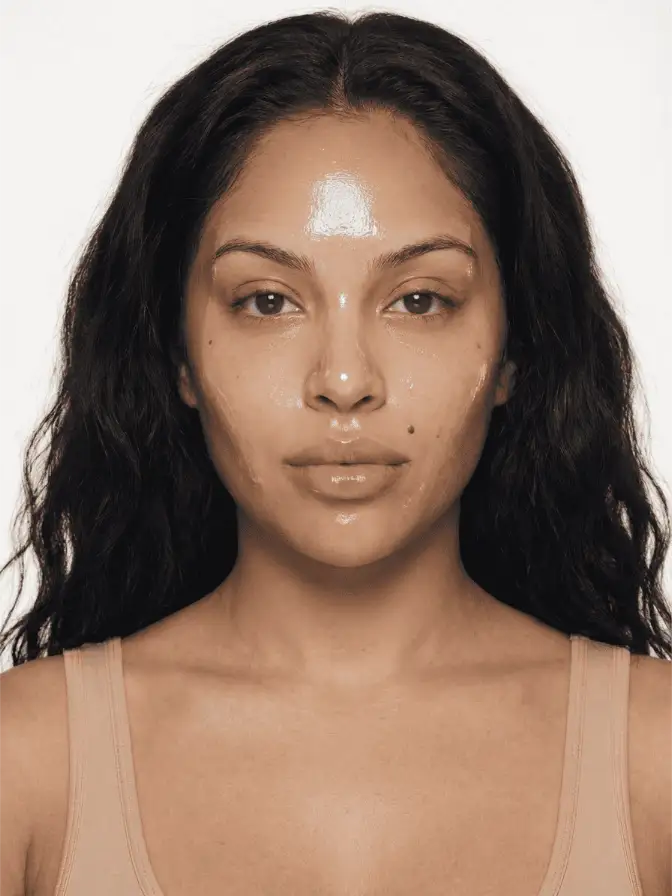
A facial oil on top of the moisturiser, two drops only. Vintner’s Daughter Active Botanical Serum is the editorial favourite. Sunday Riley Juno is a less expensive version with the same logic. The oil acts as a partial occlusive, slowing the rate at which the moisturiser underneath transpires off the skin.
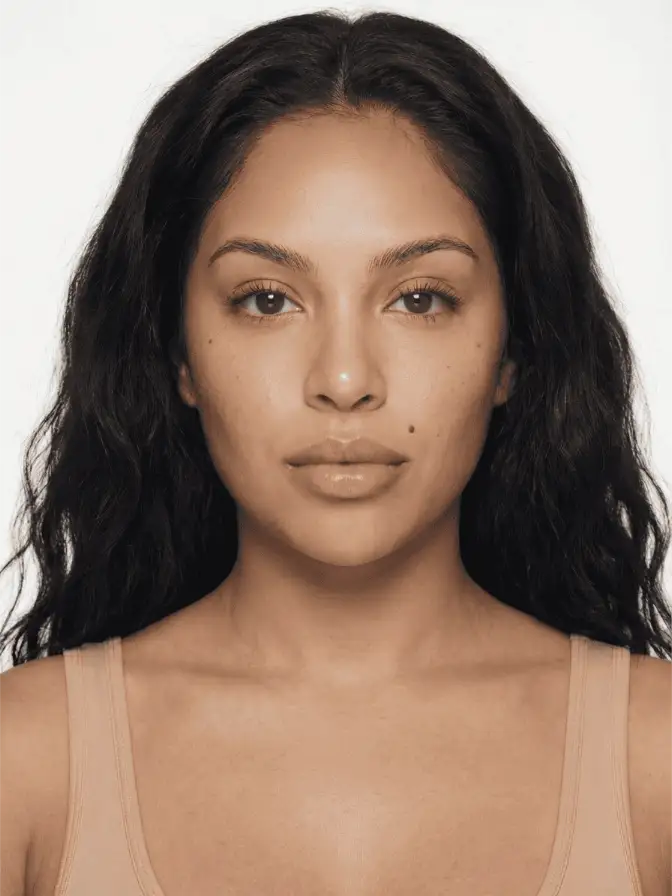
A tinted balm rather than foundation. Ilia Super Serum Skin Tint, Saie Glowy Super Skin, or Westman Atelier Vital Skincare Complexion Drops. The point is a thin layer of skin tint mixed with skincare actives, not full coverage. Saie’s tint is essentially a moisturiser with iron-oxide pigment suspended in it, which is the right ratio for cabin air.
Brow gel, mascara on top lashes only, and a heavy lip balm. Aquaphor or the Laneige Lip Sleeping Mask. Skip lipstick. Skip pencil eyeliner.
That’s the entire kit. Anyone who tells you they board long-haul flights in a full Tom Ford glam look either has a layover apartment in their connecting city or is lying.
The point is to give the skin enough of a base to look presentable, without giving the cabin air anything to work against. The no-makeup makeup and clean girl tutorials in the slaye library are essentially this kit, with one more step for cheek colour. Cabin makeup is the same logic, minus the cheek colour, because pigmented blush oxidises against an oil-heavy moisturiser.
Mid-flight: the only steps worth taking
There’s a temptation to do an elaborate in-flight ritual: sheet masks, jade rollers, mists every hour. Most of it is theatre.
Three things actually help mid-flight.
A facial mist with a humectant base. Caudalie Beauty Elixir or Tatcha Luminous Dewy Skin Mist. The Summer Fridays caveat matters: a mist alone backfires in dry air because the water evaporates and takes more water with it. You need to mist and then pat in a moisturiser or balm on top to seal it. Misting without sealing actively dehydrates the skin.
A heavier reapplication of lip balm every 90 minutes. Lips and the under-eye area lose moisture fastest because they have the thinnest stratum corneum. Lip cracking on long flights is a moisture problem before it’s a cosmetic one.
A patted-on layer of eye cream or balm every three hours. The Avene Cicalfate Restorative Skin Cream works on the under-eye even though it’s not marketed as an eye product. The Vaseline trick (a thin smear under each eye to seal in moisture) is the cheapest version of the same idea and is what a fair number of flight attendants actually use.
What does not help: alcohol, even in small quantities. The Fashion Journal flight attendant routine, written with dermatologist input, explicitly calls out alcohol as the largest in-flight skin stressor a passenger has control over. One glass of wine on a transatlantic flight is fine. The third one is the difference between landing looking tired and landing looking visibly puffy.
Landing: the fifteen-minute reset
The most useful skill a frequent flyer has is rebuilding makeup in fifteen minutes in an airport bathroom. The setup matters: a small kit in a clear zip pouch, organised so you can do the whole thing standing up at a sink without unpacking.
What’s in the pouch:
A travel-size cleanser or micellar water on a cotton pad to take off the in-flight balm layer.
A travel moisturiser, the same one you boarded with.
The same skin tint you boarded with.
A cream blush. NARS Liquid Blush in Orgasm or Saie Dew Blush. Cream goes over the skin tint without separating. Powder does not, on a dehydrated face.
Concealer for under-eyes only. Nars Radiant Creamy Concealer is the workhorse. Pat with a finger; don’t blend with a sponge.
A mini brow gel. Anastasia Beverly Hills Brow Freeze in a mini pot.
Mascara. The same one from the boarding kit.
A lipstick, not a balm. This is the difference between looking like you just got off a plane and looking like you didn’t. A muted rose like Charlotte Tilbury’s Pillow Talk Original, or a more pigmented option like NARS Audacious in Audrey if you’re heading straight to dinner.
The full reset takes between twelve and eighteen minutes once you’ve done it twice. The first attempt is always slower. By the third or fourth flight, the kit is muscle memory and the rebuild is faster than putting on a normal morning face.
When it works, and when it doesn’t
This routine assumes you have access to a lavatory at the gate before boarding, or at the lounge if you’re flying premium cabin. On a 5am departure with a 15-minute security line and no lounge access, the pre-flight cleanse step is rarely realistic.
The compromise: board in less makeup than you’d normally wear to the airport. The lighter you fly, the less you have to undo at the other end. A tinted moisturiser, brow gel, mascara, and lip balm is enough for a 5am departure, and the cabin air will be kinder to it than to a full base.
For anyone working through humidity-heavy connections like Dubai, Singapore, or Hong Kong, the dolphin skin and glass skin tutorials both lean on the same dewy-base logic that cabin air punishes least. They’re a useful reference for the look this routine is trying to land in.
The shorter version, for anyone who just wants the headline: hydrate yesterday, fly in a tinted balm and an oil, mist with a seal step, and reset in the airport bathroom before you meet anyone. The cabin air doesn’t care about your routine. The routine is for what happens after you land.
Continue reading
- routines The Interview Face: Five Products That Read Competent on Camera A hybrid interview means makeup that survives a flattening webcam and harsh office light. Five products, structure over coverage, matte where the camera bounces.
- routines Festival makeup that survives three days of heat A realistic kit and a sweat-proof sequence for multi-day outdoor festivals: thin cream-then-powder layering, the setting-spray sandwich, and the lash call.
- routines Makeup for Glasses, Sorted by Your Prescription Minus lenses shrink the eye, plus lenses magnify it. Two short makeup routines built around that one optical fact, with finish choices and a brow note.