Application Techniques
Draping
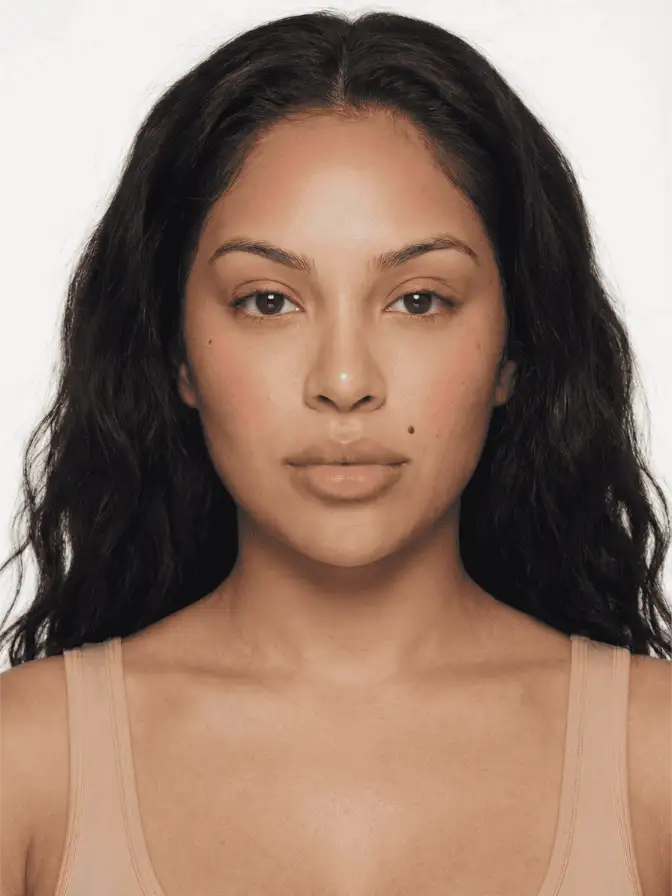
Using blush as contour, bringing it from the cheeks up to the temples and brow bone.
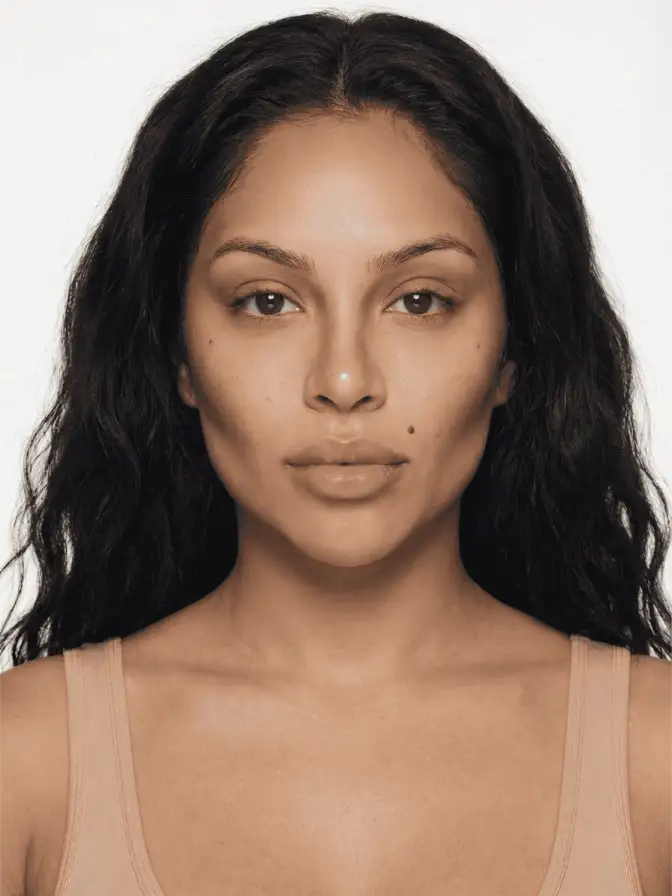
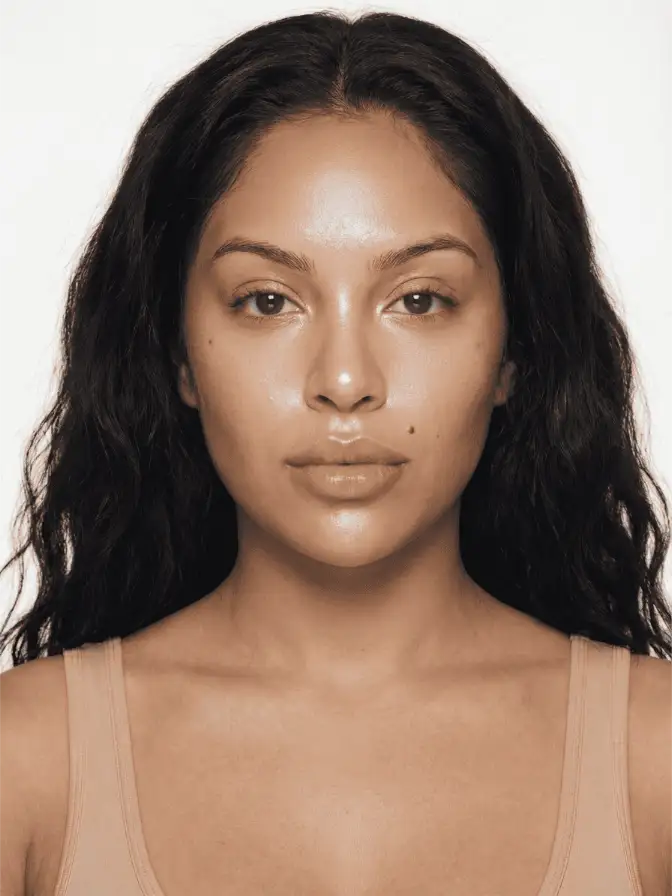
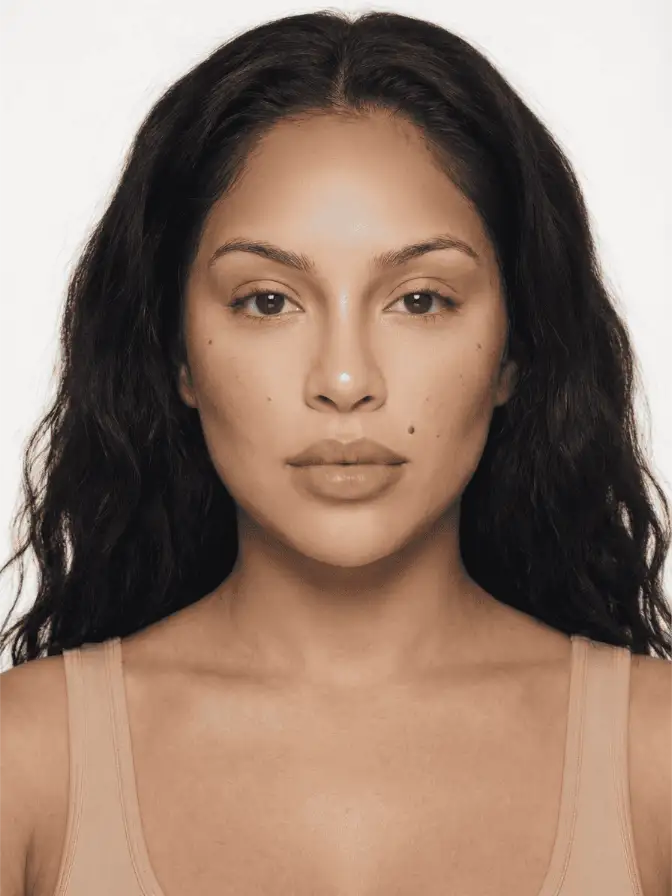
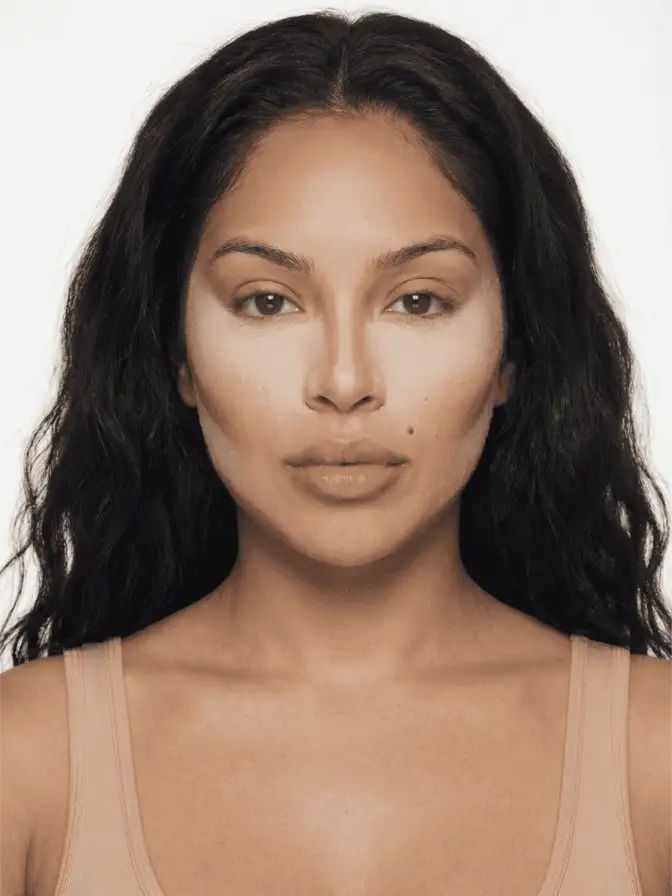
Draping is a striking, retro-inspired makeup technique that utilizes blush instead of traditional bronzer to contour and sculpt the face. Originating in the 1970s and 1980s, this method involves sweeping vibrant color along the cheekbones and up toward the temples and brow bone to create a lifted, high-fashion flush. It is ideal for those who want to make a bold, editorial statement while softly framing the eyes and cheekbones.
To create Draping, start by lightly setting your base to ensure an even blend. Sweep a deeper matte blush along your natural contour lines, then apply a brighter satin blush slightly above it. Blend the colors upwards in a C-shape wrapping around the temples and brow bone, finishing by seamlessly diffusing the edges.
The Kit
- Translucent Setting Powder
- Powder Brush
- Deep Matte Powder Blush
- Angled Blush Brush
- Bright Satin Powder Blush
- Fluffy Blush Brush
How to Create Draping
-
Set the Base
Lightly dust translucent setting powder over the cheeks and temples to ensure a smooth, patch-free canvas. This prevents the heavy blush application from clinging to wet foundation.
-
Apply Deeper Blush
Using an angled blush brush, sweep a deeper matte blush along the cheekbones where you would traditionally apply contour. Blend it upwards toward the hairline to sharply sculpt the face.
-
Drape the Temples
With a fluffy blush brush, sweep a brighter satin blush slightly above the deeper shade. Blend it upwards in a continuous C-shape around the outer eye area, connecting the cheekbones to the temples and brow bone.
-
Diffuse the Edges
Take a clean powder brush to softly buff the outer perimeter of the color. This creates a seamless gradient into the skin while maintaining a bold, retro intensity.
Pro Tips
- For a truly cohesive editorial look, lightly sweep whatever blush is left on your brush through the crease of your eyelids to tie the cheek and eye areas together.
- Always tap the excess powder off your brush before applying; it is much easier to slowly build up the intensity of a bold blush than it is to aggressively blend out too much pigment.
- If your edges look too harsh, take a beauty sponge with a tiny amount of leftover foundation and bounce it gently around the perimeter of the blush to melt the color seamlessly into your skin.
Common Questions
What is the draping makeup technique?
What products do I need to try the draping technique?
Is draping good for everyday wear or beginners?
What is the difference between draping and standard blush application?
You've Got This
Ready to Master Draping?
See exactly how this look appears on your face before picking up a brush. slaye's AI shows you in seconds.
Try on slaye