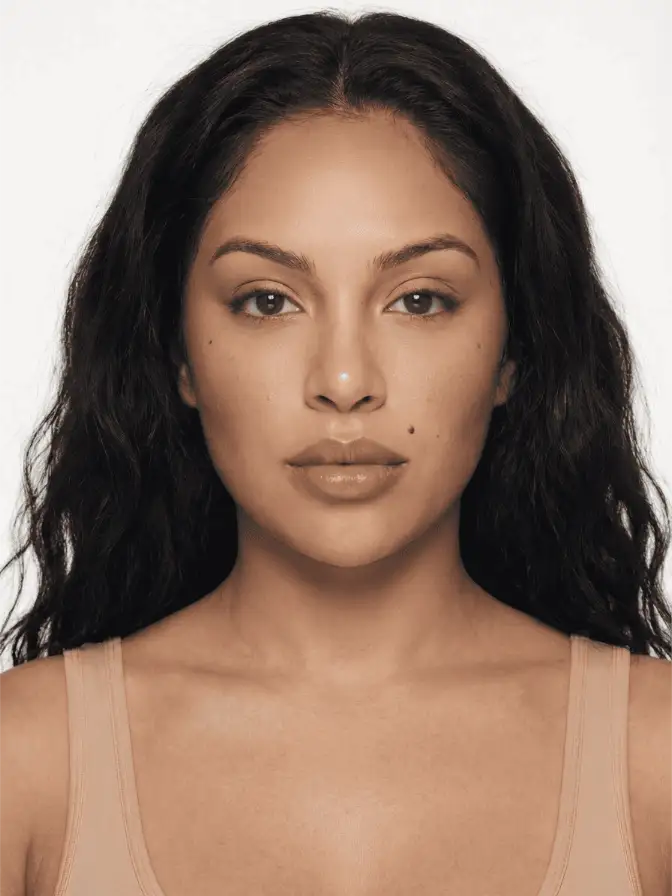
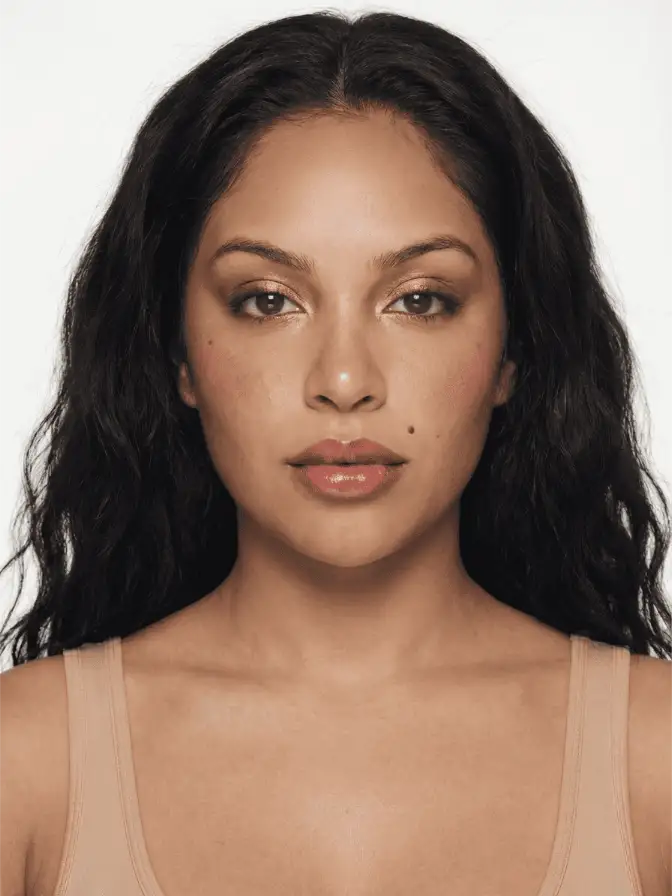
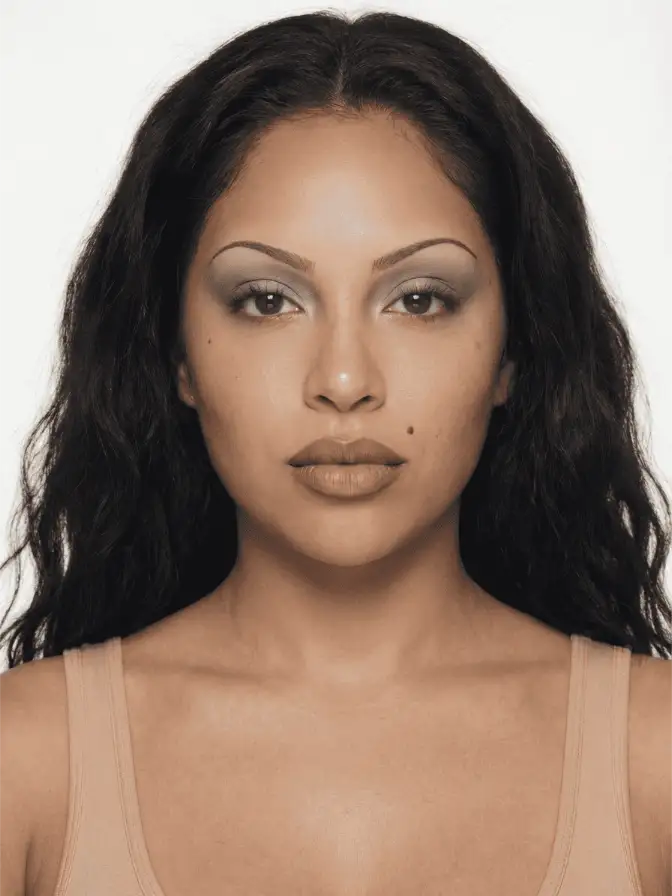
Work to Evening: The Five-Minute Desk Drawer Pivot
A desk-drawer kit isn't a second full face. It's five small swaps that change the read of the day face. Here is the kit, the sequence, and what to skip.
The bathroom at my old office had three sinks, terrible fluorescent lighting, and at any given time around six p.m., at least one woman trying to do her full face over again before drinks. Watching this happen for a few years taught me something useful: the women who looked the best at seven were almost never the ones doing the most work at six. They were the ones who had figured out the small handful of swaps that genuinely change how a face reads, and they did them in about three minutes leaning over a sink.
The desk-drawer kit is the version of that I’ve refined for myself and recommend to anyone who asks. Six products, deliberately small, and a sequence that takes between four and six minutes depending on whether you have to wait for someone to finish at the mirror. The point is not to redo your makeup. The point is to surgically change two or three things so the same face reads differently.
What goes in the drawer
Six items, all travel-size, all in a single zipped pouch that lives in a desk drawer or the bottom of a tote, depending on whether your office still has desks.
A small dual-ended cream blush and lip product. Merit’s Flush Balm, Westman Atelier’s Lip Suede, or a cheaper Milk Makeup Lip + Cheek stick all work. The version I use is Rare Beauty’s Soft Pinch Liquid Blush in a slightly deeper shade than my daytime one. The shade upgrade is the trick: same product family, more saturated color.
A liquid liner pen or a soft pencil. Charlotte Tilbury’s Rock ‘n’ Kohl in Bedroom Black is the most flattering option I’ve found for the tightline; for graphic shapes I keep an Inglot AMC liquid liner because the brush is rigid. Pick one. The drawer is for adding a small piece of definition you didn’t have at nine a.m.
A small mascara, ideally not the same one you wore that morning. A topcoat-style mascara like Maybelline’s Sky High applied over already-dry lashes adds length without the clumping risk of layering the same formula on itself. Skip if your morning lashes are still clean; usually they aren’t.
A travel-size setting spray. Charlotte Tilbury’s Airbrush Flawless, Urban Decay’s All Nighter, or any drugstore equivalent. This is the most-skipped step and the one that visibly changes the most. A light mist before any reapplication revives foundation and makes new product blend into old without a visible seam.
A lipstick in a shade you would not wear during the day. The classic version of this is a real red (MAC Ruby Woo, Charlotte Tilbury Walk of No Shame, NARS Dragon Girl), but a deep berry or a glossy plum does the same job. The lip is the loudest single change you can make to the face’s overall read, which is why it’s the highest-leverage product in the kit.
A small jar or wipe of micellar water plus a folded tissue. This is unglamorous and load-bearing. The single most aging thing about end-of-day makeup is foundation that has settled into fine lines around the eyes and mouth, and a fingertip of micellar water dragged gently across those areas before any reapplication restores the surface for new product. Skip the whole kit and just do this and you’ll look better than the woman doing her full face.
That’s the kit. No second foundation, no powder, no contour, no eyeshadow palette. Adding any of these turns a pivot into a full reapplication, which is what fails in the office bathroom mirror.
The sequence, in order
Step one: blot, mist, and clean up. Press a tissue (or blotting paper) across the forehead, nose, and chin to lift the day’s oil. Mist setting spray once, lightly, across the whole face. With the corner of a tissue dipped in micellar water, clean the smudge under the lower lash line and along the smile lines. This takes thirty seconds and resets the canvas without removing anything you want to keep.
Step two: re-anchor the cheek. The cream blush goes on the apple of the cheek and a little higher, swept toward the temple, blended with a fingertip. The reason a fresh blush makes the whole face wake up is that day-faded blush reads as tiredness; the brain registers cool, flat skin as flat regardless of what’s on the eye. This is the same principle the draping tradition has used for fifty years.
Step three: add the eye piece. One change only. Either a tightline along the upper lash with the kohl pencil, or a thin wing with the liquid liner, or a single coat of the topcoat mascara. Pick one. Two of three reads as a deliberate evening eye; three of three turns into the smudged 7 p.m. look the bathroom-mirror crowd recognizes. The date-night sultry tutorial is built around exactly this principle: one definitional element, executed well.
Step four: the lip. Blot the day’s lip off completely with the tissue before applying the new color, because layering a red lipstick on top of a worn nude almost always reads as patchy. Use the bullet directly, not a brush; the kit is for speed. Press the lips together once and skip the second coat. The slightly diffused edge of a one-coat lip looks more lived-in than a sharp brushed-in line, and lived-in is what you want at seven.
Step five: re-mist and go. A second light setting-spray mist welds the new layer into the old and removes any visible seam between them. Don’t powder. Powder over a freshly hydrated face flattens the whole thing and undoes the work the mist is doing.
Total time: between three and a half and five minutes if you don’t have to wait for the mirror. The first time you do it expect six. By the third time it becomes muscle memory and is closer to four.
What to skip from the standard advice
A lot of office-to-evening guides recommend a full reapplication of foundation and powder. This is what the magazine articles tell you to do and it’s a trap. Fresh foundation over old foundation, in bathroom light, almost always cakes around the nose and the smile lines, and you end up with worse skin at seven than you had at noon. The micellar-water cleanup of the trouble spots is doing the same job in a fraction of the time.
Skip a full eyeshadow change. Adding a deeper shade to an already-blended day eye usually muddies what was there. If you really want a darker eye for evening, do it in the morning and rely on the liner pivot to intensify it later. The office siren school of doing-it-all-at-nine-a-m. is built around exactly this insight: structure the day face so it carries to evening.
Skip the highlighter touch-up. Highlighter that’s been on for nine hours is usually fine; new highlighter over old reads as obvious shimmer rather than glow. If the cheek looks dull, the cream blush is doing the work, not the powder highlight.
Skip the second contour pass. Contour does not need refreshing. If it has faded, you don’t have time to reapply it correctly and the bathroom light will not let you check it properly. The lip and the blush together carry the depth job.
The smarter version: build the morning face for evening
The genuinely efficient version of the pivot is to make fewer changes at six because you made smarter choices at nine. A foundation that’s actually long-wear (Estée Lauder Double Wear, Fenty Pro Filt’r, Make Up For Ever HD Skin) needs no touch-up at six; a flash-formula one does. A neutral day eye that can take a darker liner without re-blending is easier to evolve. A natural lip color that you can simply remove and replace, rather than one you have to blend out of, saves a step.
The same is true of the morning brow and the morning skin prep. Brushed-up brows set with clear gel will look just as good at seven as at nine; over-defined brows will look fuller and harsher in evening light. Skin prep with a hydrating primer and a finishing mist will read fresh all day; mattifying primer plus a powder set will look flat by lunch and worse by dinner.
Designing the morning face for an evening read takes practice. After about a month of doing the pivot, you start picking products in the morning specifically because they evolve well, and the bathroom-mirror crowd becomes shorter.
When to skip the kit entirely
Two situations.
If you have less than thirty seconds, just do the lip. A red or deep berry lipstick alone changes the read of a tired day face more than any other single product. Forget the rest, skip the mirror entirely, and put it on with your finger in the elevator if you have to.
If you have more than twenty minutes and a private mirror, do the kit and then actually reapply foundation and concealer with proper tools. That is a different routine, with a different name, and the desk drawer doesn’t have what you need for it. The pivot is meant for the in-between case, which is most evenings, when the meeting ran late and you have to be somewhere at seven-fifteen and the bathroom is shared with the woman from accounting who is also trying to do her face.
The smaller the kit, the more reliably you actually use it. Six things in a zipped pouch, refilled when something runs out, lives in the same drawer for years. It is the most useful piece of beauty infrastructure I own.
Continue reading
- routines The Interview Face: Five Products That Read Competent on Camera A hybrid interview means makeup that survives a flattening webcam and harsh office light. Five products, structure over coverage, matte where the camera bounces.
- routines Festival makeup that survives three days of heat A realistic kit and a sweat-proof sequence for multi-day outdoor festivals: thin cream-then-powder layering, the setting-spray sandwich, and the lash call.
- routines Makeup for Glasses, Sorted by Your Prescription Minus lenses shrink the eye, plus lenses magnify it. Two short makeup routines built around that one optical fact, with finish choices and a brow note.