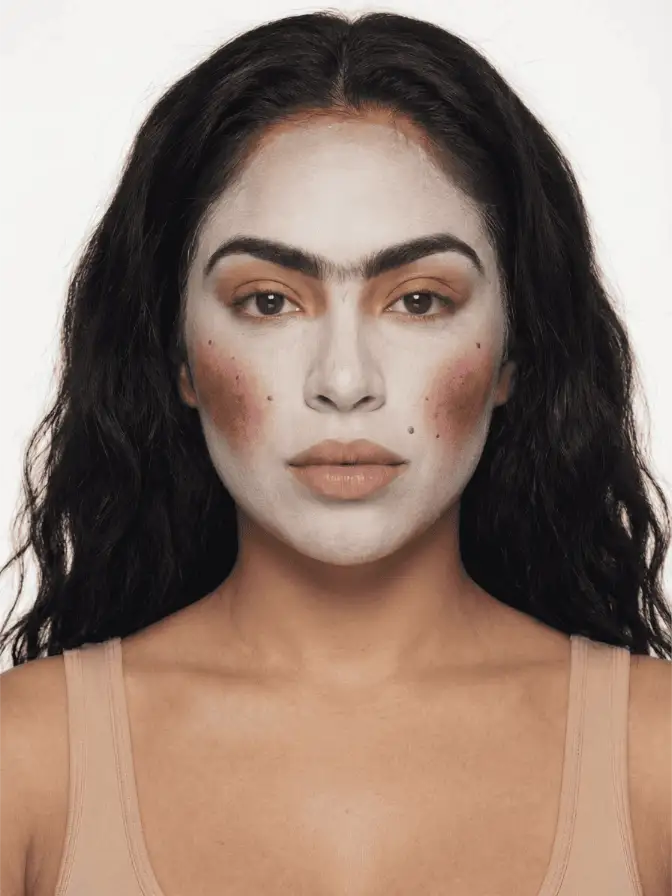
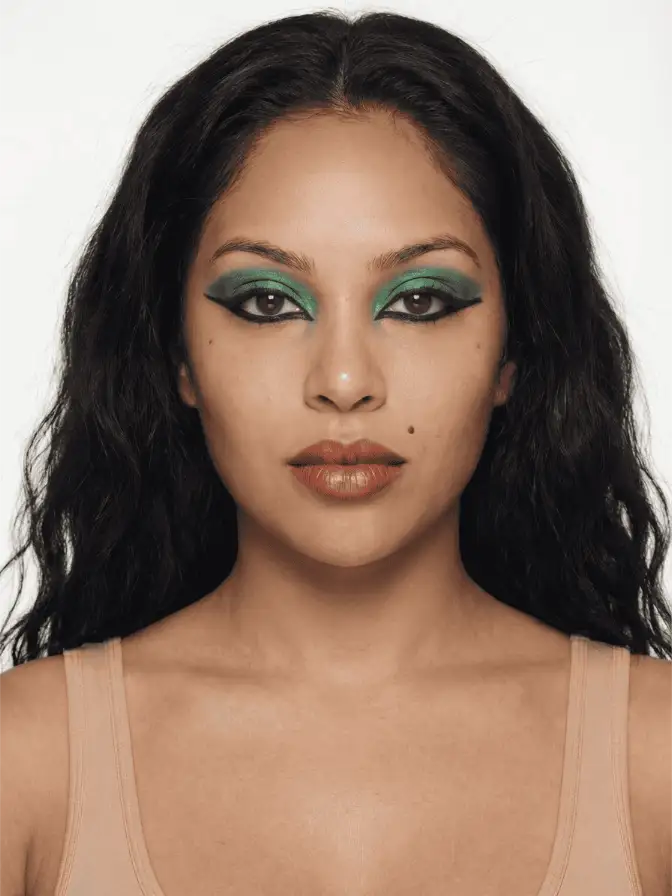
Minoan cosmetics: the Bronze Age perfumery of Chamalevri
Before 2000 BC, a Cretan workshop was blending anise, beeswax, and resin into compounded cosmetics. It is the oldest such site ever found.
The hill at Chamalevri sits about ten kilometers west of Rethymno, on the north coast of Crete. There is not much to look at now. Olive trees, a low stone wall, the bones of a Neolithic settlement that was occupied, abandoned, and reoccupied for most of the third millennium BC. What was found in one of the building’s back rooms in the late 1990s rewrote the timeline of the cosmetics industry by roughly a thousand years.
The excavation team identified containers, charred plant residue, and grinding tools that fit one specific kind of activity: small-batch perfume and unguent production. Carbon dating placed the operation before 2000 BC, in the Middle Minoan period. According to the Explore Crete archaeology overview, the ingredients recovered from the site included anise, carnations, beeswax, honey, olive oil, and resin. Egyptian and Mesopotamian texts described scented oils from a similar period, but Chamalevri is the earliest physical workshop ever excavated. The technology of mixing botanicals into a stable, transportable cosmetic was, by every available measure, a Minoan achievement first.
What a Minoan cosmetic actually was
The word “cosmetic” smudges together a lot of categories that the Minoans treated as separate. There was paint, for the face and the body, drawn directly from mineral pigment sources. There was ointment, the perfumed oil-based product made at sites like Chamalevri, used for skin softening and ritual anointing. And there was kohl, used as much for eye protection in the Aegean sun as for decoration.
Analyses of Minoan painted plaster, surveyed in a multi-analytical study of pigments on plaster in Crete, found a palette that overlapped with cosmetic use. Red ochre, yellow ochre, and Egyptian blue all appear in both contexts. The pigment that traveled best from wall to face was probably the iron-rich red, which could be ground fine, suspended in animal fat, and applied to lips and cheekbones without significant skin irritation.
A separate analysis of pigments from Minoan larnakes, the painted clay sarcophagi from Rethymno regional collection, identified a riebeckite-based blue that is specifically Aegean in origin. The same amphibole-family mineral has been found ground in cosmetic boxes at other Minoan sites. The blue Bronze Age eye paint of myth was, at least sometimes, a real chemistry.
Why Crete and not Egypt
Egypt cosmetic tradition is older in the sense of being more famously documented. Tomb-painted hieroglyphs of kohl-rimmed eyes precede the Minoan workshop by at least five hundred years. But Egyptian production at that scale was royal, ritual, and centralized. The Pharaoh perfumery at the temple complex was not a workshop selling to its neighbors. Chamalevri appears to have been exactly that, a small commercial operation producing scented oils for a regional market.
The geography helped. Minoan Crete sat on the trade routes between Egypt, the Levant, and mainland Greece. Resin came from Anatolia, lapis from Afghanistan via Egyptian middlemen, and tin from sources as distant as Cornwall. The island harbors, especially at Kommos and Amnisos, handled the kind of small-volume luxury cargo that scented oils belonged to.
Crete also had the right plant material on hand. The mountainside herbs of central Crete, sage, oregano, lavender, and the wild carrots whose seeds preserve well in oil, gave Minoan perfumers an ingredient list that the Nile Delta could not replicate. Beeswax came from the same hives that produced the honey that sweetened the bases. Olive oil, the third major ingredient at Chamalevri, was already the agricultural backbone of the island economy.
What the frescoes show, and what they hide
The painted figures from Akrotiri on Thera, the satellite Minoan site preserved by the volcanic eruption around 1600 BC, give the clearest picture of what Minoan cosmetic practice looked like in use. The young woman in the “Saffron Gatherer” fresco wears red lips, a dark eye line, and a small painted dot at the corner of her brow. Her companion in the same scene has cheek color that the Penn Museum Aegean dye survey suggests was a fast-fading madder pigment, which is why most of the rouge in surviving Minoan frescoes now looks faint or absent.
The frescoes hide one thing entirely. The cosmetic application tools, the small bone spatulas, shell scoops, and ivory rods recovered from grave goods at Mochlos and Knossos, were used on the painted figures but never depicted. Minoan art treated the act of making up the face as a private threshold. The result was public; the process was not.
The grinding tools that survived
A small bone spatula from the Mochlos cemetery, dated to roughly 1700 BC, sits in a glass case at the Heraklion Archaeological Museum. It is the size of a modern eyeliner brush. The flat working end is polished smooth from use, and microscopic analysis published in the MDPI survey of mineral pigments in archaeology shows residue patterns consistent with red ochre and a fine carbon black. A Minoan woman, three and a half thousand years ago, was using something that the modern Inglot pencil approximates almost exactly: a slim instrument for laying a thin line of pigment along the lash line.
The pigment recipes have evolved past recognition. The application tools have not. The bone spatula became ivory, became wood, became plastic, became the disposable applicator on a Sephora tester. The user gesture is identical. That continuity is the part of cosmetic history that gets least often written about, because the tools are usually missing from the museum cases or pushed to the back of the room. They are what makes the leap from Bronze Age Crete to a modern bathroom feel small.
The thread to now
A Minoan perfumer working in 2000 BC would recognize the basic structure of a modern unguent. Choose a carrier (the olive oil), bind it with a fat to set the texture (the beeswax), pigment if needed (the ochre or the resin-based dye), scent with a stable extract (the anise or the carnation). The Chamalevri tradition skipped through Hellenistic Greece, Imperial Rome, Byzantium, and the Arab world before arriving at the lipstick on a modern dressing table by something close to a direct line. Tom Ford Lip Color in Casablanca sits on top of four thousand years of compounding work that started on a hillside in Crete.
The other thread is the framing of cosmetics as private craft. The Minoan worker at Chamalevri was producing a luxury good for women who would apply it themselves, in a domestic space, away from the painted public face. That model, the privately compounded, ritualistically applied, publicly worn cosmetic, is still the dominant one. The product moved from terracotta jar to glass tube; the user picked it up off the same kind of small bedroom shelf.
What changed between 2000 BC and now was scale and chemistry. What did not change was the idea that a person, getting ready, would reach for a small jar of something perfumed, mineral-tinted, and stable enough to last the morning. The Minoans figured that out first.
A footnote on the perfume itself
The single most evocative detail from the Chamalevri inventory, in my reading, is the carnation. The flower was not native to Crete in any wild form; the cultivated dianthus that survived in the residue had to be planted, watered, and harvested for the petals specific aroma. Someone at the site decided the labor was worth it. Several centuries before the Bronze Age trade networks reached their peak, a worker on a Cretan hillside was already making the calculation that scent was worth growing for, not just gathering for. The carnation note in a modern Goutal Eau d’Hadrien or a Diptyque Oeillet Bengale runs back, through every garden in the history of perfumery, to that first deliberate planting.
That single planting decision is also why I trust the Minoan story as more than archaeology. A cosmetics tradition that starts with a deliberate horticultural choice, made for sensorial reasons rather than nutritional ones, is recognizably the same tradition that runs through a Diptyque counter in Paris or a Tom Ford rollout at Bergdorf store. The same impulse, the same labor, the same small luxury justified by the morning it improves. Four thousand years of continuity in a single dried flower.
For the tutorial-paired view of how this lineage shows up in modern looks, the ancient Greek and Roman tutorial and the ancient Egyptian tutorial trace the immediate inheritors of the Minoan technique. The Aegean line is the parent culture for both.
Continue reading
- history Egyptian Blue: The First Synthetic Pigment and the Glow It Hid Egypt manufactured a blue pigment 5,000 years ago, then the recipe vanished for a millennium. The strangest part is the glow nobody could see until 2009.
- history Cochineal: the bug that colored your red lipstick The deep red in carmine lipstick comes from a cactus insect the Aztecs taxed and Spain guarded for 250 years. How carminic acid reached your lip bullet.
- history Huadian: The Tang Dynasty Flowers Women Wore on the Forehead Huadian were the painted forehead flowers of Tang dynasty China, born from a princess and a plum blossom. The story runs from gold leaf to dragonfly wings.