Habibi makeup: the Arabian transformation trend on TikTok
Habibi transition videos have crossed two billion views. Where the look actually comes from, why Western beauty press keeps mislabelling it, and how to do it.
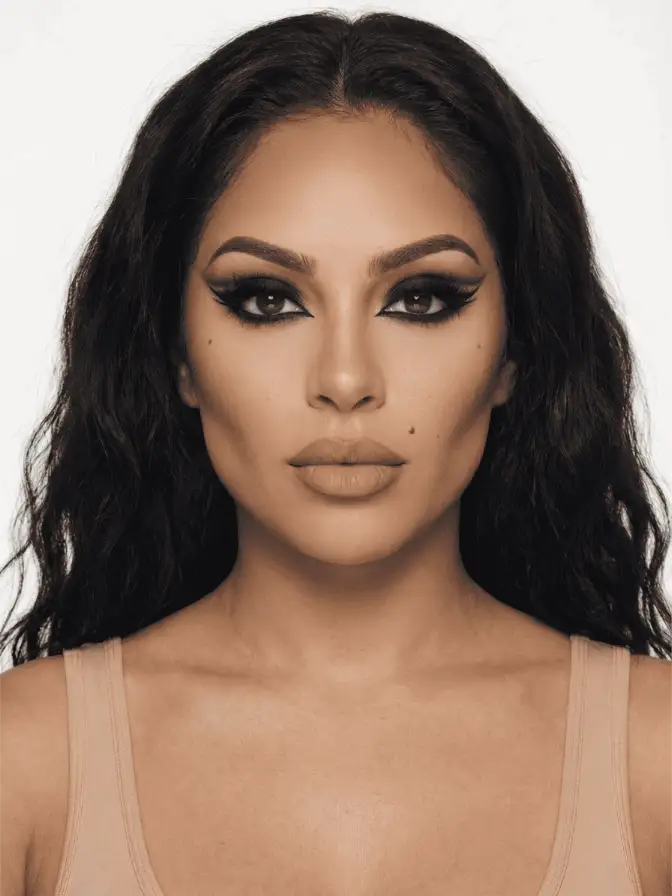
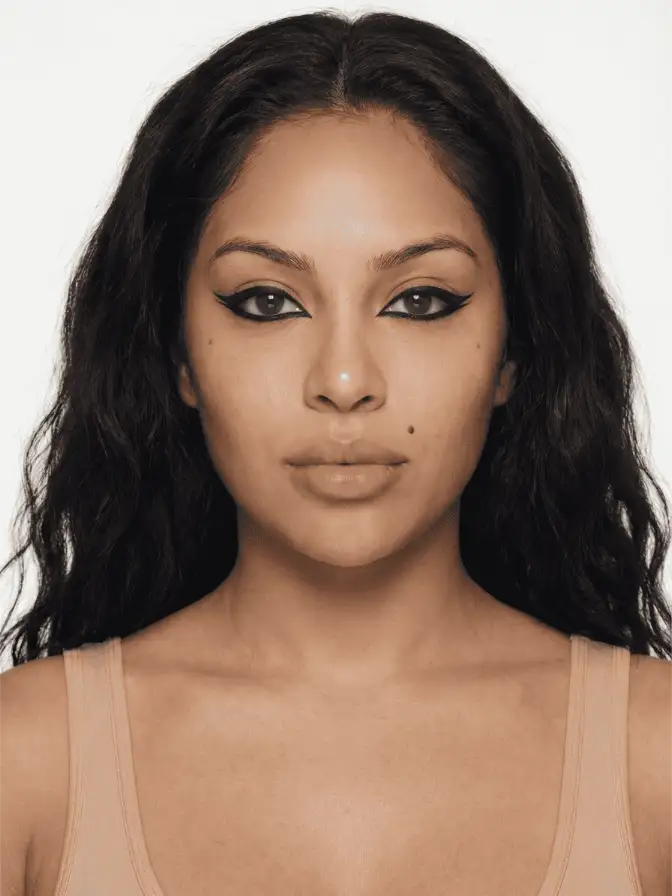
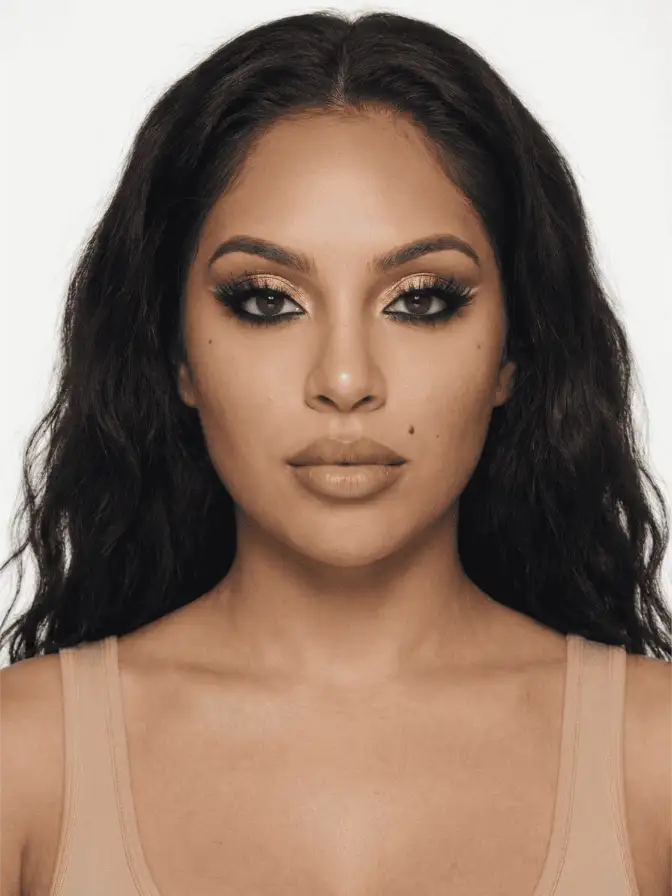
Open TikTok any night in May 2026 and within four scrolls you will see the same edit. A young woman, bare-faced, looking into the camera. Two beats of silence. A clip of Ricchi e Poveri’s Arabic-language cover of “Habibi” hits, and on the downbeat the frame cuts to her done up in full Arabian glam: black kohl pulled into a sharp winged tail, gold-pigment lid, contoured cheekbones, deep matte lip. The transition is two seconds. The hashtag has crossed two billion views.
The trend is interesting for what it is, the most-viewed transformation format on the app right now, and for what it reveals about how Western beauty press handles Khaleeji and broader Arab beauty practice. Most of the trend coverage on outlets I’ve read has framed Habibi makeup as a fresh invention, a “TikTok trend born this season.” That framing is wrong in a way worth fixing.
The actual source of the look
The aesthetic the Habibi transition reveals is decades old. Khaleeji bridal makeup, the heavily ornamented style worn at Gulf weddings from Kuwait to the UAE, has used the same elements, deep kohl rim, extended wing, gold shimmer on the lid, contoured face, intense lip, since at least the 1980s. The TikTok-friendly version compresses that vocabulary into something a 19-year-old can film in her bedroom mirror in twenty minutes. The aesthetic predates the format by forty years.
The TikTok 2026 trends roundup at the makeup trends 2026 hub attributes the look’s viral spread to “Habibi makeup trend transition” creators, but most of the originating accounts I can trace are based in Dubai, Riyadh, and Cairo. The format may have crossed over to the For You pages of users in Los Angeles and London in early 2026; the look itself has been on Instagram from Arab creators since 2018, and on Khaleeji wedding photographers’ portfolios since well before that.
The misattribution matters because the “discovery” framing tends to strip the technique from the people who developed it. A piece you read on a US beauty site that calls Habibi makeup “the bold new look for spring” without naming a single Khaleeji makeup artist is participating in a long pattern. The look’s real history, if you want to follow it back, runs through artists like Tina Daher (Beirut), Bassam Fattouh, and Maya Diab, all of whom have been working in this register since the early 2000s.
The TikTok format mechanics
The transition itself follows a specific structure. The Qogita 2026 TikTok beauty trends report groups Habibi makeup with the broader transformation trends category the app has been pushing all year. The signature elements:
The bare-face hold lasts two to four seconds. Long enough to read as the “before,” short enough to keep retention high. Most creators light this beat with cool overhead light to flatten the skin further.
The audio cue cuts on a downbeat. The version of “Habibi” most-used is a 70-second TikTok edit that hits the chorus at the four-second mark. Creators line the reveal frame to that beat. The cut is hard, never a fade.
The reveal frame is always a slight head tilt and a half-smile. The camera angle drops by about ten degrees, which is how the gold lid catches the light most effectively in the phone’s auto-exposure adjustment.
The post-reveal hold is six to ten seconds. The creator turns her head slowly so the gold pigment flares, then sometimes flicks her hair to land on a final still.
That structure is the whole video. The technical makeup work has to read clearly in 1080p at small phone size, which is why the look has shifted toward higher pigment loads and more obvious contour than the wedding-bridal source material.
How to actually build the look
If you want to do the look itself, the construction is more straightforward than the reveal makes it appear. The foundation step is heavier than current “skin-first” Western trends, because the format demands skin that reads as evenly toned at low resolution. A medium-coverage liquid like Fenty Pro Filt’r Soft Matte, set fully with a translucent powder, gives you the base the eye look requires.
Kohl goes on next, drawn into the upper waterline and along the lower rim. The pencil needs to be the dense Khaleeji-style kohl, not Western pencil liner, because it has to read as a heavy black line, not a smoky shadow. Pull the upper line out past the outer corner into a long wing, and connect with a liquid liner like Stila Stay All Day Waterproof Liquid Eyeliner. The principle is the same as the classic cat eye, pushed about 40 percent longer at the tail.
Gold pigment, applied wet with a flat synthetic brush, sits across the whole mobile lid. Most Habibi videos use a true champagne gold, not the rose-gold variant; the cool light of phone cameras flattens warmer tones into beige. Stila’s Glitter and Glow in Kitten Karma is the most-used product because it doesn’t crease and dries to a film that won’t transfer to the brow bone.
Cheek contour goes sharper than the Western Instagram-makeup style of the late 2010s. The shadow under the cheekbone runs from the top of the ear toward the corner of the mouth, kept on the cheekbone proper rather than the hollow below it. A matte cool brown like Anastasia Beverly Hills Contour in Java works for most medium skin tones. Highlight goes on the cheekbone peak only, not the brow bone or the cupid’s bow.
The lip closes the look. The Habibi reveal almost always lands on a deep matte mauve-brown, not a true red. The choice is for the camera as much as for the aesthetic; mauve-brown reads as dark and defined at small video size in a way true red can blow out under harsh ring lighting.
For the full-glam version closer to the original Khaleeji bridal tradition, the Arabian glam tutorial and the Arabian Bollywood liner cover the underlying technique. The TikTok format strips some of the more delicate brow and lash work, but the eye-and-lip structure is the same.
Where the trend goes next
The transition format will burn out. They always do. The aesthetic underneath it will not, because it never depended on the transition in the first place. Khaleeji makeup has run on its own internal logic for forty years without needing American TikTok’s attention. The most likely outcome is that the Habibi tag’s billions of views push a chunk of Western beauty consumers toward the heavier eye work and richer pigments they had been deprogrammed out of by the soft-glam decade.
If the trend leaves anything behind, it will be the appetite for that ornamentation. A generation raised on “no makeup makeup” is, for the first time in fifteen years, watching their feed reward looks built with twelve products instead of three. That’s a meaningful shift, and worth paying attention to even after the transition videos stop autoplaying.
Frequently asked
What is the Habibi makeup trend on TikTok?
A transition video format where the creator films herself in a plain face, the audio drops to a few seconds of the song 'Habibi' by Egyptian artists like Ricchi e Poveri's Arabic-language remix or the Bolbbalgan4 cover, and the cut reveals a full face of Arabian glam, heavy kohl, gold-pigment shimmer, sharp winged liner, and a deep matte lip. The reveal cut is the trend's whole structure.
Is the Habibi look the same as Arabian glam?
Close cousins but not identical. Arabian glam is the foundational aesthetic, the kohl-and-shimmer eye that's been part of Khaleeji and broader Arab beauty practice for decades. Habibi makeup is specifically the TikTok-format version, compressed for the transition reveal, often with exaggerated highlighter and gold-leaf accents that play better on a phone camera.
What products do you need for the Habibi transition?
The non-negotiables are a black kohl pencil (Inglot AMC Pencil 04 or Bobbi Brown Long-Wear Eye Pencil in Black Coffee), a gold-pigment loose shadow (Stila Magnificent Metals Glitter and Glow in Kitten Karma or Make Up For Ever Star Lit Powder in Champagne Gold), a sharp liquid liner for the wing extension, and a matte mauve-brown lip in the Charlotte Tilbury Pillow Talk family. Optional gold-leaf flakes for the cheekbone reveal.
Continue reading
- trends The Gray Grunge Eye: The Soft Rock-Star Smudge of Summer Black smoke went hard and dated. The gray grunge eye on this summer's runways is smudged, dewy, and cool. Here is why it works and how to wear it.
- trends Butter Yellow Eyeshadow, the Soft Neutral That Isn't Butter yellow ran the runways, then landed in TikTok makeup tutorials. It acts like a warm neutral but reads as color. Here is how to wear it by skin tone.
- trends Sunburn Blush: The Flush That Crosses the Nose The summer 2026 blush trend drags warm color across the nose and upper cheeks to fake a sun-touched flush. Here is where to place it and what holds in heat.