Creative & Theatrical
Special Effects (SFX)
Gore, prosthetics, aging, bruising, creature design.
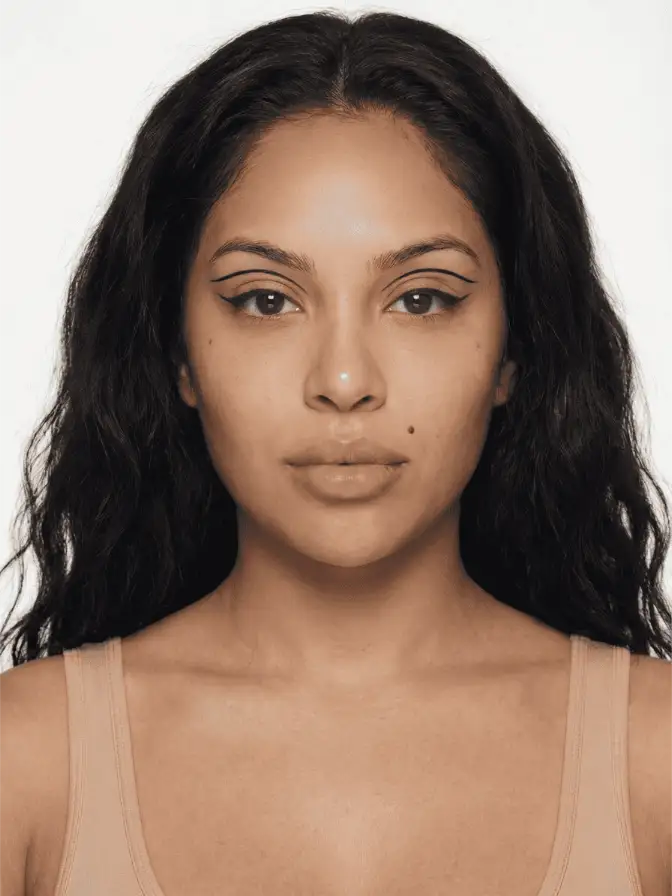
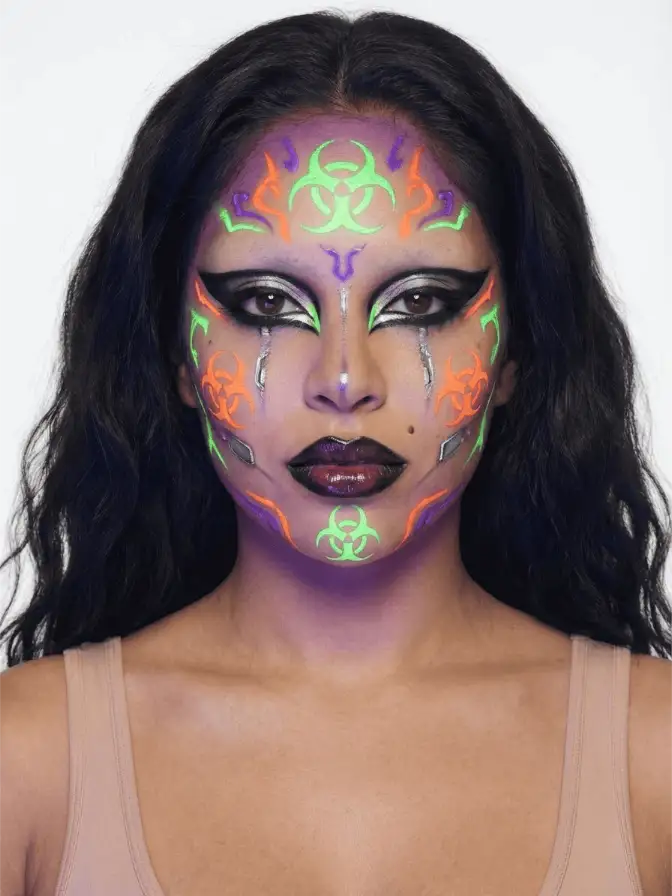
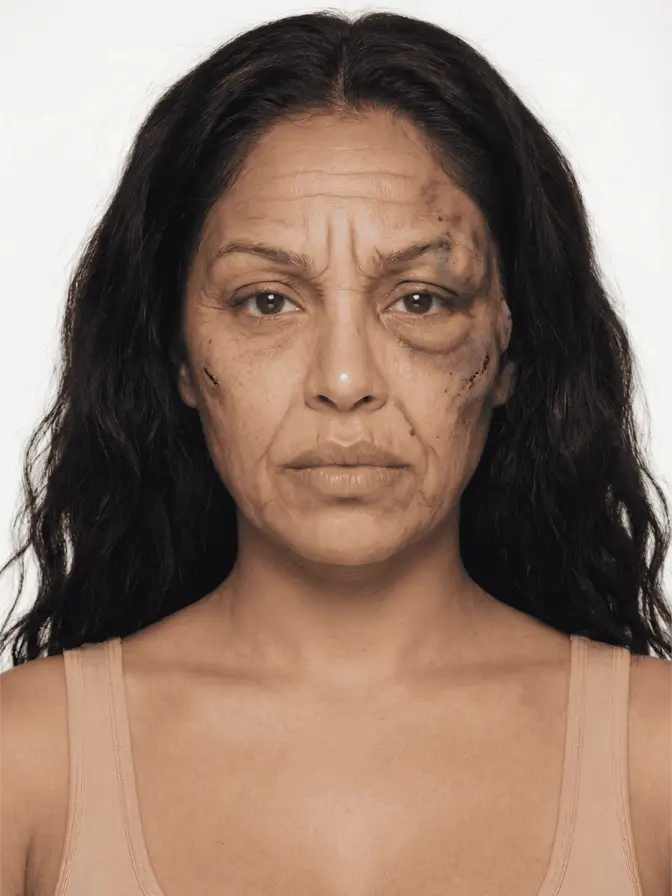
Special Effects (SFX) is a highly advanced, theatrical makeup discipline used to simulate illusions like realistic wounds, aging, bruising, and otherworldly creature designs. Rooted in film and stage history, this transformative technique utilizes specialized materials like liquid latex, cream paints, and prosthetics to dramatically alter natural anatomy. It is ideal for costume events, Halloween, and cinematic productions where dramatic, three-dimensional storytelling is the primary focus.
To create Special Effects (SFX) makeup, begin by protecting your skin with a barrier cream, then build a fleshy texture using alternating layers of liquid latex and tissue paper. Once dry, tear the center to form a wound, apply a pale base, and use stippling techniques with cream paints and fake blood for realistic gore.
The Kit
- Gentle Astringent
- Barrier Cream
- Liquid Latex
- Single-Ply Tissue Paper
- Disposable Makeup Sponge
- Tweezers
- Translucent Setting Powder
- Pale Cream Foundation
- Damp Makeup Sponge
- Matte Grey-Brown Eyeshadow
- Fluffy Blending Brush
- Textured Stipple Sponge
- Yellow Cream Paint
- Green Cream Paint
- Purple Cream Paint
- Deep Red Cream Paint
- Black Cream Paint
- Fine Detail Brush
- Coagulated Fake Blood
- Liquid Fake Blood
- Cosmetic Spatula
- Stiff Bristle Brush
How to Create Special Effects (SFX)
-
Cleanse And Protect
Wipe the skin with a gentle astringent and apply a protective barrier cream. This removes oils for better adhesion and protects the skin from heavy theatrical products.
-
Build Liquid Latex
Layer liquid latex and single-ply tissue paper on the cheek using a disposable makeup sponge. Allow each layer to dry fully before adding the next to build a raised, fleshy texture.
-
Open The Prosthetic
Carefully pinch and tear the center of the dried latex with tweezers to create ragged, peeling edges. Dust the entire area with translucent setting powder to eliminate the artificial shine.
-
Apply Pale Base
Stipple a pale, matte cream foundation over the entire face, lips, and latex edges using a damp makeup sponge. Blend thoroughly to seamlessly integrate the faux skin with your natural complexion.
-
Hollow The Features
Sweep a matte grey-brown eyeshadow into the cheekbones, temples, and eye sockets using a fluffy blending brush. This shading technique creates a deeply sunken, skeletal appearance.
-
Stipple The Bruising
Dab yellow, green, and purple cream paints around the eyes and wound edges using a textured stipple sponge. Lightly blend the colors outward to simulate realistic, aged tissue trauma.
-
Deepen The Wound
Paint the exposed inside of the torn latex with deep red and black cream paints using a fine detail brush. Focus the black paint at the deepest crevices to create realistic depth.
-
Apply Fake Blood
Fill the wound center with thick, coagulated fake blood using a cosmetic spatula. Dip a stiff bristle brush into liquid fake blood and flick it across the face for a messy, gory finish.
Pro Tips
- To speed up the drying time of liquid latex between layers, use a hairdryer on the lowest, coolest setting.
- When creating bruises, study real reference photos; bruising is rarely a single solid color and should have mottled, blended edges of yellow, green, and purple.
- Always use disposable sponges and cheap brushes when working with liquid latex, as the product will permanently ruin your good makeup tools once it dries.
Common Questions
What does Special Effects (SFX) makeup look like?
What products and tools do I need for basic SFX makeup?
Is SFX makeup safe for beginners with sensitive skin?
How long does SFX makeup take to apply?
You've Got This
Ready to Master Special Effects (SFX)?
See exactly how this look appears on your face before picking up a brush. slaye's AI shows you in seconds.
Try on slaye