Creative & Theatrical
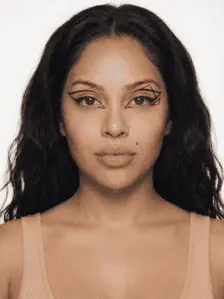
Graphic Liner
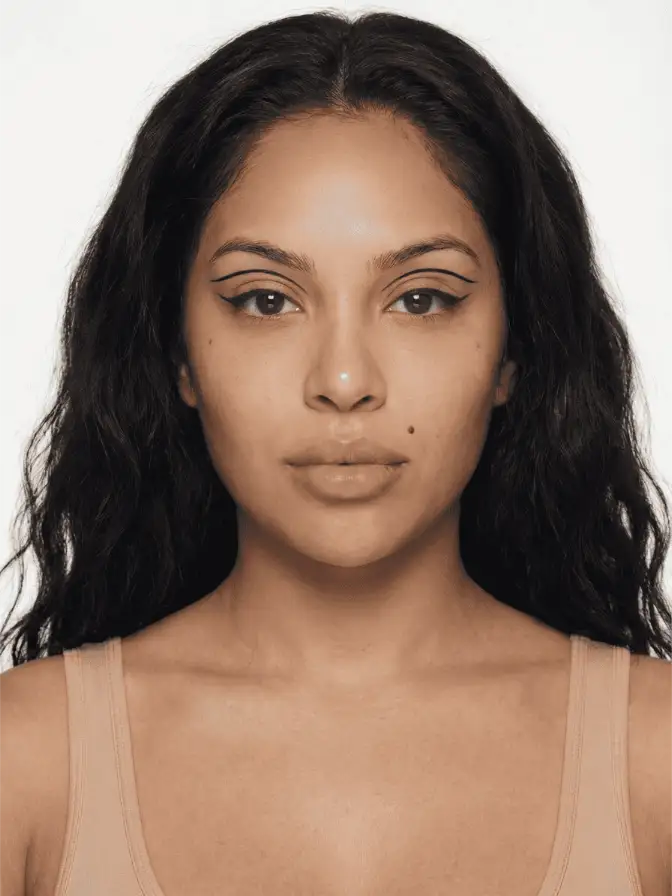
Geometric shapes, floating lines, and negative space designs using colored or black liner.
Graphic Liner is a modern, artistic eye makeup technique characterized by geometric shapes, floating lines, and the intentional use of negative space. Emerging as a prominent trend in the 2020s, this edgy look transforms the eyelid into a canvas for abstract designs using highly pigmented colored or black liners. It is perfect for those looking to make a bold statement at festivals, parties, or editorial events, stepping outside the boundaries of traditional makeup.
To create Graphic Liner, begin by priming the eyelids to ensure a smooth, oil-free canvas. Map out your desired geometric shapes and floating lines with a light nude pencil while looking straight forward. Trace your sketched design with a precise detailing brush and highly pigmented liner, then sharpen the edges using a flat brush dipped in micellar water.
The Kit
- Eyeshadow Primer
- Translucent Setting Powder
- Fluffy Eyeshadow Brush
- Light Nude Eye Pencil
- Water-Activated Cake Liner
- Fine Detailing Liner Brush
- Micellar Water
- Flat Angled Brush
- Clear Eye Gloss
- Volumizing Mascara
How to Create Graphic Liner
-
Prime the Lids
Apply an eyeshadow primer from the lash line to the brow bone and set it with a translucent setting powder using a fluffy brush to create a smooth, oil-free canvas.
-
Map the Shape
Look straight into a mirror with your eyes open and use a light nude eye pencil to lightly sketch your desired floating crease and geometric wings.
-
Trace with Liner
Dip a fine detailing liner brush into a highly pigmented water-activated cake liner and carefully trace over your sketched lines using steady, fluid strokes.
-
Sharpen the Edges
Saturate a small, flat angled brush with micellar water and carefully wipe away any uneven edges or wobbles to ensure razor-sharp, crisp lines.
-
Add Glossy Accents
Dab a tiny amount of clear eye gloss onto the center of the lid or along specific negative space sections to create an artistic, dual-texture finish.
-
Coat the Lashes
Apply two coats of black volumizing mascara to both the top and bottom lashes to anchor the bold design without covering up your line work.
Pro Tips
- Always look straight ahead into a mirror with your eyes resting naturally when mapping out your design, especially if you have hooded or deep-set eyes, to ensure the lines remain visible.
- Rest your pinky finger on your cheekbone while drawing to stabilize your hand and prevent shaky, uneven strokes.
- Keep your brush damp, not dripping wet, when using water-activated liners; the ideal consistency should resemble melted ice cream to deliver opaque, smooth lines without bleeding.
Common Questions
What does Graphic Liner look like?
What products and tools do I need for Graphic Liner?
Is Graphic Liner good for beginners?
How is Graphic Liner different from traditional winged eyeliner?
You've Got This
Ready to Master Graphic Liner?
See exactly how this look appears on your face before picking up a brush. slaye's AI shows you in seconds.
Try on slaye