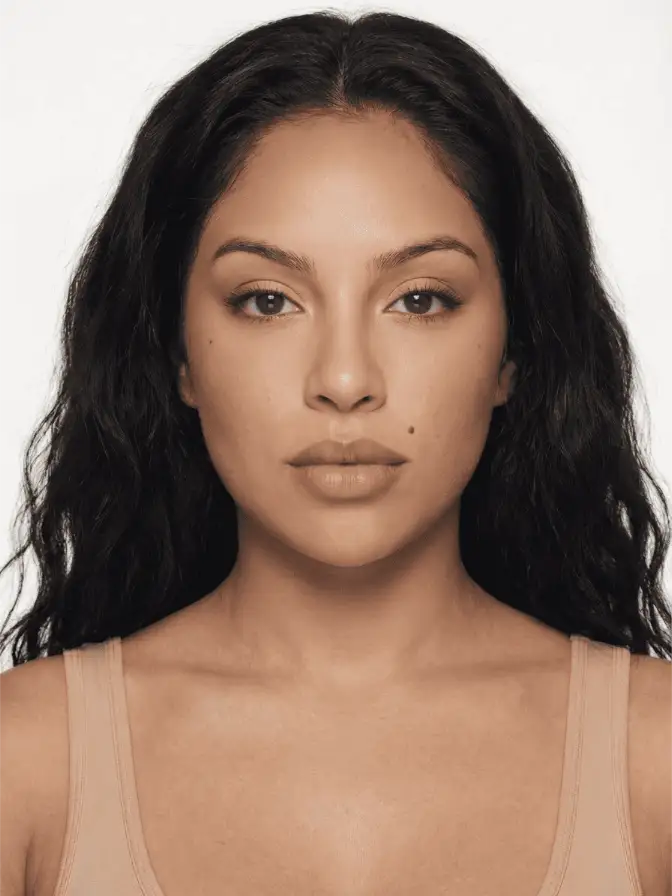
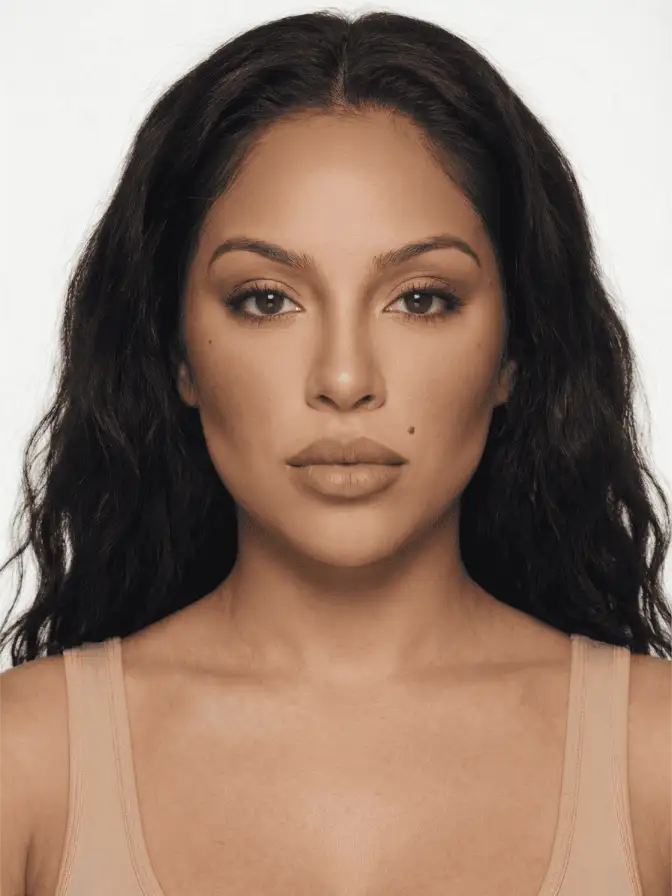
Wedding Guest Makeup That Doesn't Flashback in Photos
The base that looks great in the mirror can ghost you under a flash. A wedding guest routine that dodges flashback without going matte and flat.
The bride asks her cousin to take a quick photo of the guests in the receiving line. The cousin lifts the phone. Flash fires. Everyone smiles. The next morning the bride sends a screenshot to the group chat and you are gray from the eyebrows down.
That has happened to almost everyone who’s worn good makeup to a wedding.
The maddening part is the makeup looked perfect at home. You set it. You blotted it. You took a mirror selfie before leaving. None of that helped, because mirror lighting and a wedding photographer’s flash are different physics, and the same ingredients that build a smooth daylight base are often the ones that go bright under a direct flash.
This routine is what’s worked for me across about a dozen weddings now, including two outdoor ceremonies, one ballroom reception with on-camera lighting, and a courthouse photo session where the photographer was firing flash directly into our faces for twenty minutes straight.
What’s actually causing the flashback
The short version, taken from A Makeup Scientist’s deep-dive on the topic: three ingredients reflect a flash badly. Titanium dioxide. Zinc oxide. Silica in high concentrations.
Titanium dioxide and zinc oxide are the mineral sunscreen actives. They sit on top of the skin in tiny opaque particles and reflect UV away. Unfortunately they also reflect visible light when it arrives in a concentrated burst, which is what a flash is. According to the Trahan Studio breakdown, the white-cast effect is sharpest at the wavelengths most flash units use, which makes it impossible to dodge by adjusting in post.
Silica is the other one. HD primers and most “blurring” setting powders use micronized silica to scatter light and soften the look of skin under daylight. Under flash, that scattering becomes a flat white halo on whatever zone the powder is heaviest, usually the under-eye triangle and the T-zone.
The Makeup Refinery’s flashback guide adds one more: certain pearls and synthetic mica used in luminous primers and highlighters. The shine that catches a tea light catches a flash twice as hard.
The actual routine
What follows assumes you’re a guest, not the bride, and you want to look polished, photograph well, and not need a touch-up between ceremony and reception.
Skincare in the morning. Wash, hyaluronic serum, moisturizer. Skip silicone-heavy primers (“blurring”, “smoothing”, “pore-filling” all coded for silica or dimethicone-and-silica). If you want a primer, a hydrating one with glycerin or squalane is fine. Tatcha The Silk Canvas in the powder version is silica-heavy and flashbacks; the cream version is safer.
Sunscreen. This is the critical swap. Wear a chemical SPF or a hybrid on the face that day. A chemical sunscreen filters UV through molecular absorption rather than mineral reflection and doesn’t flashback. La Roche-Posay Anthelios UV Mune 400 is a clean reference; Beauty of Joseon Relief Sun and Supergoop Unseen are both popular options that test flashback-clear.
If you cannot or will not use chemical SPF, look for a mineral formulation labeled “micronized” or “nano-zinc” (note: smaller particles, less light reflection). Skip any mineral SPF where titanium dioxide or zinc oxide is in the top three ingredients at concentrations above 12 percent.
Foundation. Liquid, not powder. Medium coverage is plenty. Pat McGrath’s Sublime Perfection Foundation, Armani Luminous Silk, and the Fenty Beauty Pro Filt’r Soft Matte all photograph beautifully under flash because none of them use titanium dioxide as a primary opacifier. Avoid anything marketed as “HD” or “high-definition” without testing; the HD acronym originally meant “for high-definition film cameras”, which is exactly the lighting situation you’re trying to dress for.
Apply with a damp BeautyBlender or fingers. A brush leaves stripes that can flashback at the edges.
Concealer. Liquid, not powder-based. Apply a very thin layer under the eye, not a thick triangle. The triangle is the classic flashback zone because everyone over-applies concealer there and then over-sets it with translucent powder. A thin concealer layer, set with the tiniest dusting of the same shade in a finely milled (not silica-heavy) powder, is the play. Or no powder at all if your skin isn’t oily.
Powder, if used. A pressed powder in a shade that matches your foundation, not a translucent one. Translucent powders are almost always silica-based. A colored powder shows up if it’s there, which means you can see it and stop applying before it goes too far. Laura Mercier’s Translucent Loose Setting Powder is the famous flashback offender; the Laura Mercier Pure Canvas pressed version is a safer alternative, but only just.
Blush and bronzer. Cream first, optionally set with a matching cream-to-powder shade. The classic bridal tutorial base translates well here, with the modification that you skip the highlighting powder step entirely. A liquid luminizer mixed into your foundation gives the same look without the disco-ball moment.
Eye makeup. Anything you want, with one rule: no shimmer pigments that contain “synthetic fluorphlogopite” or “calcium aluminum borosilicate” in heavy concentrations. Those are the bright catchers under flash. Matte and satin shadows are safe. A satin nude lid with brown winged liner is the cleanest soft glam face for a wedding and reads beautifully on camera.
Lips. Whatever color you like. Lip color almost never flashbacks. The exception is glossy lip toppers loaded with bismuth oxychloride; check ingredients if you’re worried, but most modern glosses are fine.
The phone-flash test, mandatory
The night before the wedding, do this. Apply your full face. Stand in your bathroom with the overhead light on. Take a selfie with your phone flash on, holding the phone about a foot from your face. Look at the photo on the largest screen you have available.
If your face is even slightly lighter than your neck, swap something. The most common single fix is the sunscreen. If the lightness is localized to the under-eye area, the fix is the powder.
If you can borrow a setup like the camera-ready broadcast tutorial uses with a ring light, even better. Most flashback shows up clearly in a ring-light selfie, and most wedding photography lighting is closer to a ring light than to natural light.
The single biggest cheat
If you have a wedding in three days and no time to test products, do exactly this. Skip your sunscreen on the face. Wear a wide-brimmed hat. Use a liquid foundation you’ve worn before (no surprises) and skip setting powder entirely. Set only what shines: T-zone, chin, the bow of the upper lip. Carry blotting papers in your clutch for touch-ups between ceremony and reception. Apply a cream blush, cream highlight, lip color, eye makeup of your choice.
You will photograph beautifully under any light. The hat handles the UV. The blotting paper handles the shine. Your skin will look like skin.
After the event
If you’ve been heavily photographed and the flashback question is unresolved, ask the bride for a couple of preview shots before her photographer’s gallery goes live. If you can see flashback in your face on the previews, write the offending product down and stop wearing it to events. The list of products I no longer wear to weddings has six items on it after eight years and I still find new offenders.
The whole point of dressing for a wedding is to be a recognizable version of yourself in the photos. The flashback test is what makes that possible.
Frequently asked
Why does my foundation look fine in the mirror but white in wedding photos?
Flashback is caused by ingredients that reflect light back toward the camera in a wavelength range your eye doesn't notice but the sensor catches. The mirror sees diffuse daylight; the camera sees direct flash. Titanium dioxide, zinc oxide, and high-load silica are the usual culprits and they show up in setting powders, HD primers, and most mineral SPFs.
Are mineral SPFs always going to flashback?
Not always but often. A mineral SPF with 15 percent or higher titanium dioxide will almost certainly flashback under direct flash. Newer formulations with nano-encapsulated minerals (look for 'micronized') flashback much less. The safest move for an event with serious photography is to wear a chemical SPF on the face that day and a mineral on the body.
What's the fastest at-home test to check if my makeup will flashback?
Apply your full base. Stand in a dim room. Take a phone selfie with the flash on, holding the phone twelve to eighteen inches from your face. Compare your skin to the unmade-up area at your collarbone. If your face reads notably lighter or ashier, you have flashback. Do this the day before, not the morning of.
Continue reading
- routines The Interview Face: Five Products That Read Competent on Camera A hybrid interview means makeup that survives a flattening webcam and harsh office light. Five products, structure over coverage, matte where the camera bounces.
- routines Festival makeup that survives three days of heat A realistic kit and a sweat-proof sequence for multi-day outdoor festivals: thin cream-then-powder layering, the setting-spray sandwich, and the lash call.
- routines Makeup for Glasses, Sorted by Your Prescription Minus lenses shrink the eye, plus lenses magnify it. Two short makeup routines built around that one optical fact, with finish choices and a brow note.