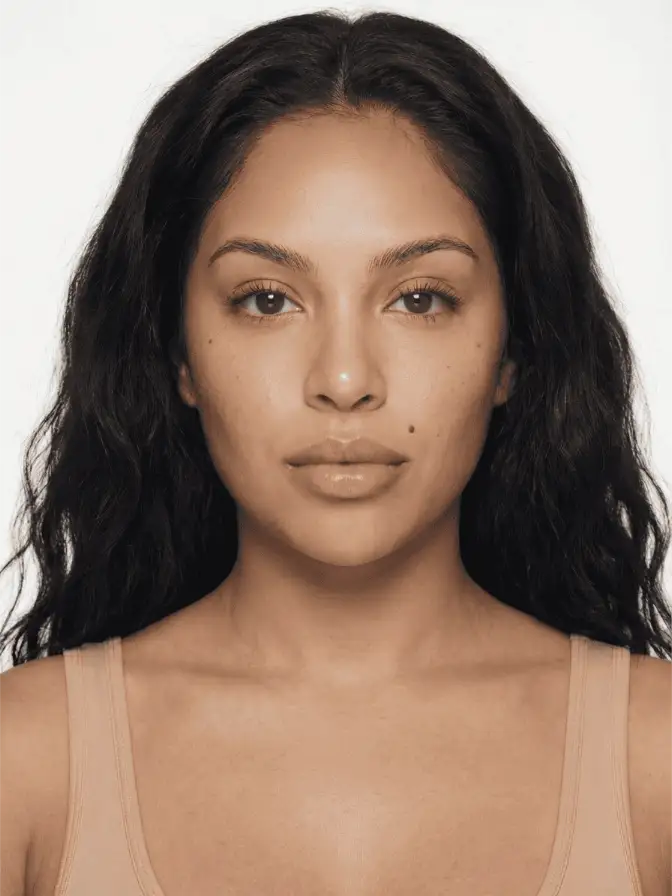
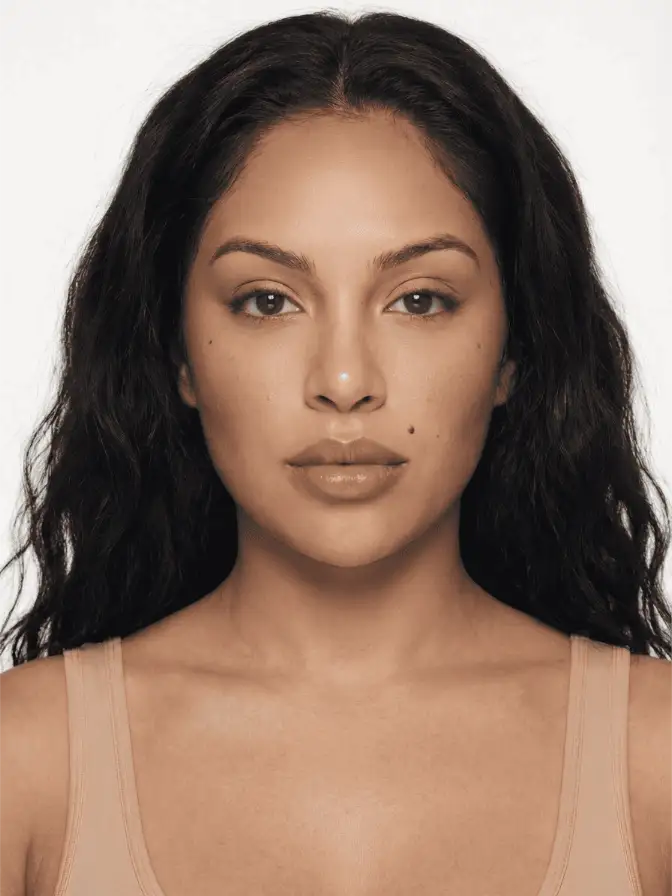
Mid-Day SPF Reapply Over Makeup That Actually Holds
The every-two-hours rule is for the beach. A real lunch-break SPF reapply uses powder, stick, and mist in a sequence that doesn't move your base.
The standard sunscreen advice (every two hours, no exceptions) is calibrated for the beach. It is not what a working day looks like, and following it literally is what makes most people give up on reapplication entirely. A useful office-day SPF routine is three touch points: morning, lunch, and the commute home. With the right products, the whole lunchtime reapplication takes under two minutes and does not move the foundation underneath.
The reapplication problem is that every method (powder, stick, spray, drops) has a specific failure mode, and most of the advice you read on TikTok recommends a single tool for what is genuinely a three-tool problem.
The morning base sets up the whole day
The reapplication is only easy if the morning application was done correctly. The actual SPF protection on your face comes from the first layer, and everything you put on later is a top-up.
A two-finger length of mineral or hybrid SPF, applied to dry skin and allowed to fully set before any makeup goes on, is the baseline. EltaMD UV Clear, Round Lab Birch Juice Moisturizing Sunscreen, and Beauty of Joseon Relief Sun are the three formulations that the most makeup artists working in editorial settings consistently name. None of them pill under foundation if you wait the full three minutes for the SPF film to set.
The foundation goes on next. The Tower 28 Beach Please writeup makes the case that the foundation itself should not be a high-SPF formulation, because pulling SPF protection from foundation requires applying far more than anyone actually applies. A separate SPF, fully absorbed, plus a low-SPF or SPF-free foundation, gives better real-world protection than an SPF-50 foundation that nobody applies thickly enough.
A light dusting of translucent powder over the foundation, set before you leave the house, creates a slightly powdery surface that the lunchtime SPF will adhere to without disrupting the foundation underneath. This step is what makes the rest of the day work. Skip it and the noon reapplication slides off the silicones in the foundation.
The lunchtime three-step
The reapplication that has held up across actual office testing is a sequence, not a single product. The total time is under 90 seconds.
Step one is a pressed powder SPF on the high points of the face. The high points are the forehead between the brows, the bridge of the nose, the tops of the cheekbones, and the chin. These are the areas that get the most direct UV from overhead light and the most indirect UV from reflective surfaces. Supergoop Re-(setting) Powder, Tower 28 SunnyDays Tinted SPF 30 Mineral Powder, and Colorescience Sunforgettable Total Protection Brush-On Shield are the three formulations that pass the W Magazine roundup as actually providing the labelled SPF when applied at realistic densities.
The application matters more than the product. Press the puff or brush into the powder, then press it into the skin without sweeping. Sweeping moves the foundation underneath. Pressing deposits the powder onto the surface without disturbing the layer below. Six firm presses across the high points is the right dose; one quick swipe across the whole face is not.
Step two is a stick SPF on the nose only. The nose is the single facial feature that gets the most UV across the day, and powder SPF on the nose tends to look chalky because there is no oil there to bind it. A stick (La Roche-Posay Anthelios SPF 50 Stick, Supergoop Glowstick, Beauty of Joseon Matte Sun Stick) draws a thin film across the bridge of the nose without disrupting the foundation on the cheeks. Tap, do not rub. Three light passes from the bridge to the tip is the full dose.
Step three is an alcohol-based setting mist, but only if you have applied makeup that morning. The mist locks the powder and stick layers together and reactivates the foundation’s silicones briefly so the new layers bond to it. Supergoop Defense Refresh Setting Mist and Coola Sun Silk Drops Setting Spray are the two that the IPSY testing identified as adding SPF protection without pilling. Hold the bottle 20 cm from the face, three full presses, and walk away for 30 seconds while it dries. Do not touch.
The sequence works because each step plays to its strength. Powder gets the broad coverage. Stick gets the nose. Mist locks the whole thing together and adds a thin top layer of additional SPF film. None of the three steps requires you to wash off your morning makeup, and all three can be done in front of a public mirror without looking like you are doing skincare in front of strangers.
The products that look right but fail in practice
Three categories of reapplication product look promising and do not actually work for office reapplication.
Hand-applied liquid SPF over makeup is the worst. Patting a liquid SPF into existing foundation reactivates the foundation, lifts it in tiny flakes, and leaves a streaked finish that you have to wipe and redo. Even the much-praised Glossier Invisible Shield, applied over foundation, lifts colour. The only context in which liquid SPF over makeup works is on totally bare skin with a five-minute setting window, which is not a lunchtime move.
SPF mist with a heavy hydrating base (most mineral SPF mists that promise glow) is the next failure. The hydration component undoes the powder underneath and creates a tacky surface that picks up dust and fine particulate from the air through the afternoon. The cleanly drying alcohol-based mists work; the dewy hydrating mists do not.
The third failure is putting SPF stick directly on the cheeks. The cheeks are the largest contoured surface of the face, and a stick over a contoured cheek tends to migrate into the contour and lift it. Keeping the stick to the nose, where the bone structure is small and flat, avoids the problem. Cheeks are powder territory.
When the routine is overkill
If you are spending the entire day indoors, away from windows, the reapplication is genuinely not necessary. UV through office glass drops by 75 percent or more, and the morning application is enough.
If you take a 30-minute walk at lunch, you need the powder step only. The walk does not justify the full three-step routine, and the powder gives you another two hours of meaningful SPF coverage. The clean girl makeup look is actually well-suited to this reduced routine, because the minimal base means a single powder pass is enough to reset everything.
For a longer outdoor break (an hour plus), the full three-step is appropriate, and the addition of an SPF lip balm becomes worth doing. Most reapplication routines forget the lips entirely, and lips burn faster than any other facial skin. Vacation SPF 30 Hydrating Lip Balm is the formulation that the most dermatologist roundups consistently recommend.
The routine scales down well for the no makeup makeup look, where the absence of foundation means you can skip the setting mist step and rely on powder plus stick alone. For a heavier full-coverage look like the corporate professional setup, the full three-step is what actually holds the makeup together through to the evening commute.
The biggest mental shift the routine asks for is letting go of the every-two-hours rule. The two-hour interval comes from FDA testing protocols designed for water exposure, where SPF films are physically removed by water contact and rubbing. Indoors at a desk, the morning film is largely intact at lunch, and the reapplication is a top-up, not a full re-coat. Treating it as a top-up is what makes it actually possible to do every day without giving up.
The commute home gets one more powder pass at the desk before leaving, no stick or mist needed. That gives you SPF protection for the walk to the train or the drive home, which is the late-afternoon UV window when the sun is at an angle that hits the cheeks and the right side of the face directly. Skip this step and the left side of your face will, in fifteen years, look measurably different from the right.
Frequently asked
Does powder SPF actually count toward your SPF protection?
Yes, if you apply enough. The FDA testing protocol uses 2 mg per square centimetre of skin, which translates to roughly six full presses of a powder puff per cheek to hit the labelled SPF. Most people apply about a third of that. The protection you get is real but lower than the bottle claims.
Can you spray SPF mist over makeup without pilling?
Yes, if the mist is alcohol-based and you let it dry without touching the face. Water-based mists tend to pill because they reactivate the silicones in your foundation. Supergoop Defense Refresh Setting Mist and Coola Sun Silk Drops Setting Spray are the two that dry without lifting most foundations.
How often do you really need to reapply sunscreen indoors at an office?
Less than the marketing suggests. UV through standard double-pane office glass is reduced by about 75 percent. If you spend the whole day inside, one morning application is genuinely enough. Reapplication only matters if you take a walk at lunch, sit by a window for over an hour, or commute home in daylight.
Continue reading
- routines The Interview Face: Five Products That Read Competent on Camera A hybrid interview means makeup that survives a flattening webcam and harsh office light. Five products, structure over coverage, matte where the camera bounces.
- routines Festival makeup that survives three days of heat A realistic kit and a sweat-proof sequence for multi-day outdoor festivals: thin cream-then-powder layering, the setting-spray sandwich, and the lash call.
- routines Makeup for Glasses, Sorted by Your Prescription Minus lenses shrink the eye, plus lenses magnify it. Two short makeup routines built around that one optical fact, with finish choices and a brow note.