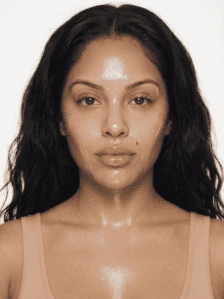
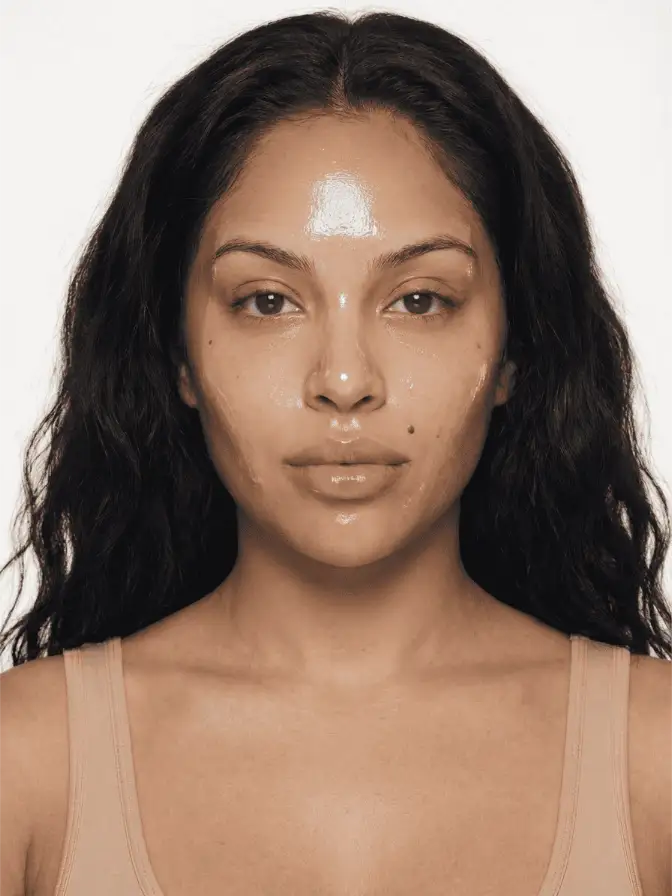
Cloud Skin: The Blurred Semi-Matte Finish Replacing Glass Skin
Cloud skin is the K-beauty pivot away from glass skin: a soft, semi-matte finish that reads as well-rested skin instead of a digital filter.
The cycle was inevitable. After six years of K-beauty’s glass skin (the wet, reflective, this-is-a-filter-on-real-skin finish that defined every Sephora aisle from 2020 onward), the pendulum has officially swung. The look that’s replacing it is being called cloud skin, and the easiest way to picture it is the difference between the surface of a window and the surface of a peach.
Glass skin was a polish. Cloud skin is a glow with the volume turned down by about 40%. Soft, slightly diffused, semi-matte. Closer to how skin actually looks at noon on a Sunday after eight hours of sleep than to a phone-camera filter.
Where it came from
Paris Select Book traced the term to spring 2026 runway shows in Seoul and Milan. The technique itself is older. K-beauty makeup artist Won Jung-yo, who has been doing Bae Suzy’s red carpet looks since around 2018, has been quietly building this finish on Korean actresses for years. The Western beauty press caught up around February 2026, when Maybelline’s tutorial blog and goop both published step-by-step guides within three weeks of each other.
What changed isn’t really the products. The pivot is in coverage philosophy. Glass skin was built by layering thin liquids: hydrating toners, essences, cushion foundations, glow drops, all of it stacked. Cloud skin builds the opposite way. Less product, more skincare prep, and a finish that doesn’t try to bounce light back at the camera.
What it actually looks like on a face
A few specifics. A finished cloud-skin face has visible texture. Pores are not filled in. There’s a soft, almost paper-like quality where the cheeks meet the temples. Cream blush sits on top of, not under, the base, which gives the colour a slightly diffused edge instead of the sharp pop you get on bare skin or under a powder finish.
If you want to compare it to the current taxonomy of skin finishes, the Maybelline guide arranged things this way. Glass skin: full reflective sheen, dewy across the entire face, a wet finish. Dolphin skin: bouncy, hydrated, glowy specifically on the high points. Pearl skin: a metallic shimmer baked into the base. Cloud skin: matte where there’s no movement, a quiet glow where the bone catches the light. The most subtle of the four.
How to build it
The technique is unfussy. It’s also unforgiving of the wrong base.
A cloud-skin face starts at least a week before you put any makeup on. Goop’s makeup-trend piece spent half its instructions on prep. A hydrating serum twice a day (hyaluronic acid, polyglutamic acid if you can find it, or niacinamide for texture), SPF every morning, a slightly heavier moisturiser before bed. The point isn’t a specific brand. It’s that cloud skin reveals what’s underneath, so what’s underneath needs to be hydrated.
On the morning of, here is the actual sequence:
- Moisturiser. Wait three full minutes for it to absorb.
- A skin tint or sheer-coverage foundation, never full coverage. Hourglass Vanish Airbrush, Glossier Stretch Concealer thinned with moisturiser, or Tower 28 SunnyDays SPF if you want skincare and base in one step.
- Press it in with fingers or a damp Beautyblender. Pressing is the operative word. Sweeping breaks the finish.
- Cream blush only. Rare Beauty Soft Pinch Liquid, Ami Colé Cheek Stick, or anything similar.
- Cream highlighter, very sparingly. Westman Atelier Lit-Up Highlight Stick on the bridge of the nose and the high cheek.
- Translucent powder, but only on the inner T-zone. Laura Mercier translucent through a small fluffy brush works. The cheeks stay unpowdered.
- Skip bronzer if you can. If you can’t, cream bronzer high on the temples only.
The single mistake that kills the finish is powder. A full-face setting powder, even a “blurring” or “soft-focus” one, will turn cloud skin into matte skin within an hour, and matte skin reads flat on a face that was built to glow softly. Powder where you actually get oily, then stop.
Who shouldn’t try it
Cloud skin doesn’t work for everyone. If you have rosacea, telangiectasia, or post-inflammatory hyperpigmentation that you cover with a fuller foundation, cloud skin will leave the redness visible. Either skip the trend or do a corrected cloud-skin hybrid: a colour-correcting primer underneath, then the cloud-skin sheer base on top. Westman Atelier’s Vital Skincare Complexion Drops and Tarte’s Sheer Tint Treatment are both sheer enough to qualify, but neither will hide what a Double Wear hides.
It also doesn’t work if you’ve spent the last decade on full-coverage matte foundation and your skin has come to rely on the texture-blurring effect. The transition takes about two weeks of hydration before bare-ish skin starts to look acceptable in 4K.
For comparison, the glass skin tutorial and the cloud skin tutorial on slaye let you see the two finishes built side by side. The product list overlaps maybe 30%. The technique is almost entirely different.
What’s next
The most useful question about any new finish is what it makes possible. Cloud skin opens up a colour palette that glass skin closed off. Saturated cream blush sits beautifully on cloud skin and looks plasticky on glass skin. Soft brown lipstick (the espresso-coded range that’s been everywhere this spring) reads more sophisticated against cloud skin than against a wet finish. Cream contour is back, because the soft semi-matte finish supports a real shadow without it sliding around.
If you’d told a 2021 K-beauty fan that the look replacing glass skin would be matte-leaning, she would have laughed. The pendulum is moving anyway. Hydrated, slightly powdered, soft as the inside of a cloud. That’s the face of summer 2026.
A note on lighting
One last thing worth knowing. Cloud skin photographs differently from glass skin under the same camera, and most of the trend’s confusion online comes from people comparing the two finishes shot in different conditions. Glass skin is built to throw a hard reflective highlight; it’s why so much of the K-beauty era of beauty content was filmed in front of large softboxes that could feed the reflection. Cloud skin needs the opposite: diffuse front light, often natural, and a lower contrast setting on the camera. A cloud-skin face shot in 4K with a hard ring light will look strangely flat, because the ring light is fighting a finish that wasn’t built to bounce light back. If your cloud-skin attempt photographs poorly, the answer is usually the lighting, not the makeup.
This is the part of any new finish that takes the longest to internalise. Trends arrive as products and disappear as photographs. The face you build for the camera and the face you build for daylight are different builds, and cloud skin happens to be the rare finish that looks better in person than online. Worth keeping in mind on a Tuesday morning.
A note on lighting
One last thing worth knowing. Cloud skin photographs differently from glass skin under the same camera, and most of the trend’s confusion online comes from people comparing the two finishes shot in different conditions. Glass skin is built to throw a hard reflective highlight; it’s why so much of the K-beauty era of beauty content was filmed in front of large softboxes that could feed the reflection. Cloud skin needs the opposite: diffuse front light, often natural, and a lower contrast setting on the camera. A cloud-skin face shot in 4K with a hard ring light will look strangely flat, because the ring light is fighting a finish that wasn’t built to bounce light back. If your cloud-skin attempt photographs poorly, the answer is usually the lighting, not the makeup.
This is the part of any new finish that takes the longest to internalise. Trends arrive as products and disappear as photographs. The face you build for the camera and the face you build for daylight are different builds, and cloud skin happens to be the rare finish that looks better in person than online. Worth keeping in mind on a Tuesday morning.
Frequently asked
What is cloud skin makeup?
Cloud skin is a soft, semi-matte complexion finish that sits between matte and dewy. The skin looks slightly diffused, with a quiet glow on the high points but no all-over reflective sheen. The technique came out of Korean beauty work and replaced glass skin as the dominant complexion trend in spring 2026.
Is cloud skin good for oily skin?
Yes, with adjustments. Oily skin needs a sheer base layered over a silica-leaning primer, and translucent powder used only on the inner T-zone. The trick is to powder where you sweat, not everywhere; over-powdering turns cloud skin into matte skin and kills the soft finish.
Is cloud skin replacing glass skin?
In editorial and runway terms, yes. Cloud skin was the dominant complexion trend on Seoul and Milan SS 2026 runways, and most of the K-beauty makeup artists who built the original glass-skin look have moved to cloud skin in their current work. Glass skin still has its audience, especially for special occasions, but it's no longer the default.
Continue reading
- trends The Gray Grunge Eye: The Soft Rock-Star Smudge of Summer Black smoke went hard and dated. The gray grunge eye on this summer's runways is smudged, dewy, and cool. Here is why it works and how to wear it.
- trends Butter Yellow Eyeshadow, the Soft Neutral That Isn't Butter yellow ran the runways, then landed in TikTok makeup tutorials. It acts like a warm neutral but reads as color. Here is how to wear it by skin tone.
- trends Sunburn Blush: The Flush That Crosses the Nose The summer 2026 blush trend drags warm color across the nose and upper cheeks to fake a sun-touched flush. Here is where to place it and what holds in heat.